
H
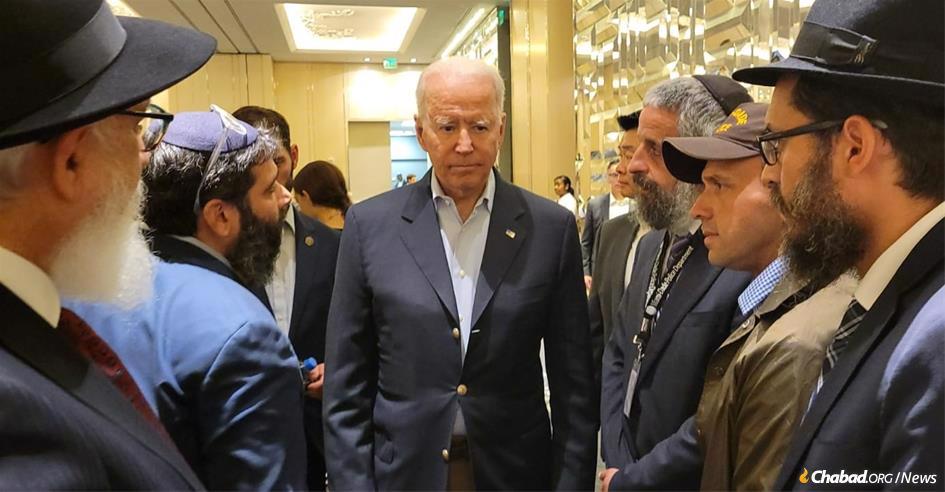
Headlines such as “Russia’s chief rabbi meets President Putin,” “Albania’s chief rabbi visits Prime Minister Edi Rama,” “Ukraine’s chief rabbi meets President Zelensky,” or “Washington’s chief rabbi gives a blessing to Syrian leader Ahmed al-Shara” have become increasingly common in international media.
These stories are often presented as meetings held to address the concerns of local Jewish communities. Yet a closer reading frequently reveals that discussions also extend into sensitive political territory, particularly matters related to Israel. In some cases, religious leaders have reportedly urged governments to soften criticism of Israeli policies, restrict anti-Israel protests, or limit pro-Palestinian demonstrations.
This pattern has raised questions about the extent to which some diaspora religious figures engage in political advocacy related to a foreign state. While Israel holds deep historical, cultural, and religious significance for many Jews worldwide, the involvement of religious leaders in lobbying host governments on international political issues inevitably invites scrutiny.
Religion, citizenship, and political advocacy
Support for Israel among Jewish communities abroad takes many forms — cultural, emotional, financial, and political — and is a legitimate expression of identity for many individuals. However, the public political engagement of religious leaders, especially when it aligns closely with the foreign policy interests of another state, raises complex questions about the appropriate boundaries between faith, citizenship, and political activism.
In many countries, religious clergy are expected to remain outside partisan or foreign-policy advocacy. In secular states such as France, clerical involvement in politics is often restricted, and breaches of this principle have historically led to legal consequences or public backlash. These norms are designed to protect social cohesion and prevent religion from becoming a vehicle for political power.
In Israel, religion and state are closely intertwined, and rabbis play a formal role in public life, including within the military and state institutions. In that context, religious authority influencing policy is widely accepted as part of the country’s political culture.
However, this domestic reality does not automatically translate to diaspora contexts. When religious leaders abroad move beyond representing community welfare and become outspoken advocates on international political conflicts, their actions may be perceived — rightly or wrongly — as political interference rather than pastoral leadership.
Moral authority
Religious leaders are widely regarded as moral guides, expected to promote peace, justice, and human dignity. In situations involving armed conflict, civilian suffering, or alleged violations of international law, many people expect clergy of all faiths to speak in universal ethical terms rather than align uncritically with any state actor.
When religious figures are seen as endorsing or excusing violence — regardless of who commits it — their moral credibility may be questioned by broader society. This is not unique to any one faith and applies equally to religious leaders of all traditions.
One of the unintended consequences of overt political advocacy by religious leaders can be increased social tension. When faith leaders are perceived as prioritizing foreign political causes over the concerns of the societies in which they live, it can fuel mistrust and resentment — dynamics that ultimately harm minority communities themselves.
Combating antisemitism, Islamophobia, and all forms of hatred requires careful attention to how public actions are interpreted. While prejudice is never justified, community leaders also bear responsibility for fostering dialogue rather than deepening divisions.
A Call for caution, not condemnation
This article argues that diaspora Jewish religious leaders should carefully consider the implications of political advocacy that goes beyond community welfare.
Focusing on spiritual leadership, social harmony, and universal ethical principles may ultimately serve both their congregations and wider society more effectively than engaging in contentious geopolitical disputes.
History offers many lessons about the risks of blurred lines between religion and politics. Respecting those lessons may help ensure peace, trust, and security for all communities in increasingly polarized times.