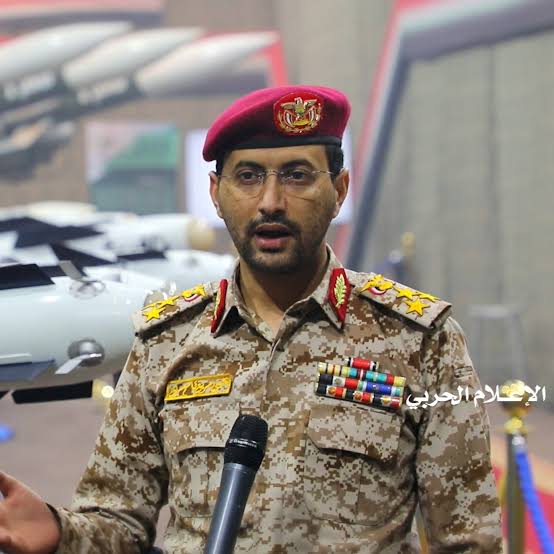

First of all, the Houthis are not a race or a nation; they are an ethnic, political, and military movement. They are small in number and stature, from the Zaydi branch of Shi’a Islam in northern Yemen, and make up 35 percent of Yemen’s population. They belong to the Hamdan, the strongest tribal group; in other words, they have very strong tribal loyalty behind them.
The name “Houthi” comes from the family that transformed this tribe into a political movement. In the 1990s, Badreddin al-Houthi and his son Hussein first launched a cultural movement called “Believing Youth” to preserve Zaydi identity and oppose the policies of the Yemeni government, which was virtually a pawn of Saudi Arabia; then, seeing that in our age religion is more effective than culture, they named their movement “Ansarullah” (Supporters of God). In short, the Houthis are a rebellion movement that comes from the Zaydi sect and draws its strength from northern tribes.
Among the questions I wonder about regarding this movement are (1) whether they are Iran’s proxy force, and (2) why they fail to realize that their actions align one-to-one with Israel’s strategy.It is said that the relationship between the Houthis and Iran is not based on a sectarian alliance, and that there are even jurisprudential differences between Iran’s Ja’fari school and the Houthis’ Zaydi school. However, the claim that there are geopolitical interests and a pragmatic partnership based on mutual benefit explaining how the Houthis became one of Iran’s most effective “proxy forces” does not square with the political results obtained. How can Ansarullah’s slogan of “Death to America, death to Israel, curse upon the Jews, victory to Islam” be reconciled with so many people dying and being wounded in missile and UAV attacks on Abha and Riyadh in Saudi Arabia? Anti-imperialist politics cannot turn the codes of a political-military movement into something carved in stone today. The existence of Jews who say “Yes to Zionism, provided there is zero humanitarian harm to Palestinians” now requires differences in practice for anti-Zionist politics to be transformed into action.
Can the Houthis see their own and the mullahs’ hostility toward Saudi Arabia as compatible with the rapidly changing conditions in the world?Yemen’s geopolitical interests do not require the Houthis to be part of Iran’s “Axis of Resistance.” Iran has harmed the national interests of both Lebanon and Iraq for years through organizations such as Hezbollah and Hashd al-Shaabi. Now the Houthis being part of this so-called anti-imperialist but essentially Persian imperialist structure pushes them into the same pit as ISIS. Did closing the Strait of Hormuz to oil trade harm American and Zionist imperialism? The effort to halt the global trade route in the Red Sea by blocking the Bab al-Mandab Strait, on the contrary, serves America’s and Israel’s coffers. The Houthis should know that those coffers are filled by the people of Turkey and similar countries paying 100 lira per liter of diesel.
The Houthis must understand that times have changed, that the Yemeni government they fought in 2004 is not the same government, and that the Saudi Arabia supporting it is not the same Saudi Arabia. So then, where are the modern weapons, ballistic missiles, cruise missiles, and UAVs that Iran gave them now coming from? Why have the US and Israel, which are said to support Saudi Arabia against the Houthis, been inactive for so long?The Houthis’ ship attacks and missile actions in the Red Sea serve Israel’s interests. It is not “the Houthis’ actions may seem to serve Israel’s interests”; they “do.” The Houthis are serving Israel. The public relations (PR) effort of the US, Trump, and Netanyahu is confusing the entire region. The war the US launched on Iran following Israel caused serious harm to no one other than 165 elementary school girls in Minab and Iran’s religious leader Ali Khamenei.
On the contrary, these attacks and now the Houthis’ actions directly targeting the Mecca Alliance could win Netanyahu an election. The tension in Yemen is a turning point and increases the risk of a region-wide war. Saudi Arabia and Syria are discussing sending troops to join an operation against the Houthis. It is in the Houthis’ interest to regain their common sense as soon as possible; they might thereby clear their name.
Source: milliyet.com.tr