
By Nawaf Al Thani
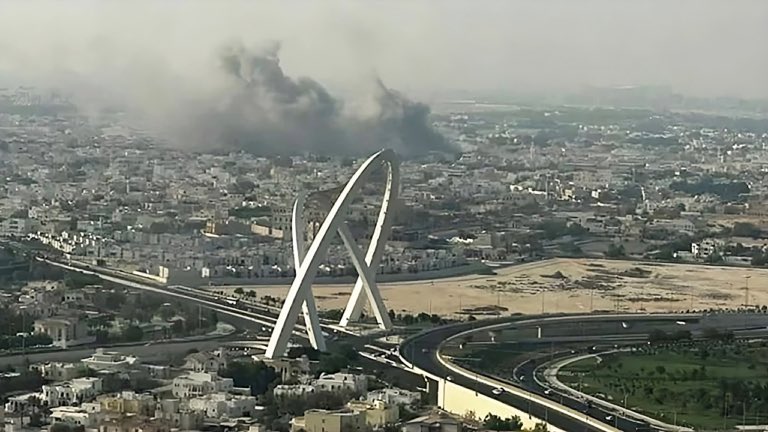
When an Israeli strike hit Doha and killed Qatari citizen Badr Al-Dosari, it jolted a country that has spent the past year working to contain the Gaza war. For Qatar, this was not just a tragic death. It was a breach of sovereignty in the heart of its capital.
What followed was remarkable in its own right. In a U.S.-brokered call, the Israeli prime minister apologized directly to Qatar’s prime minister and foreign minister. He pledged that such an attack would not happen again. Washington, for its part, reaffirmed America’s defense commitments to Qatar. The language in the Qatari Foreign Ministry’s statement was spare but significant: Israel admitted fault, and the United States put its credibility on the line to guarantee it would not be repeated.
Qatar’s response was telling. It did not raise its voice, nor did it allow the moment to pass unnoticed. Doha made sovereignty the centerpiece, insisting that its citizens must be protected and that any assurances must be binding. In doing so, it shifted the narrative away from anger toward accountability.
This is not an isolated choice. Qatar has long made mediation its currency in international affairs. Even when provoked, it has consistently resisted the temptation to escalate. Instead, it doubles down on diplomacy, pressing for a Gaza ceasefire, pushing for hostage releases, and demanding humanitarian relief. What some critics dismiss as restraint is, in fact, the core of Qatar’s strategy: using dialogue, not force, to steady a volatile region.
The apology may close one chapter, but it opens another. Qataris will not forget the loss of one of their own, killed in their capital. Yet the government will continue to play its role as mediator, even under pressure, because it understands something that others sometimes forget: peace is not made by those who walk away from the table.
The test now will be in action, not words. Will Israel honor its pledge of restraint? Will Washington enforce the commitments it has reaffirmed? And will the international community acknowledge that Qatar, even while paying a price in blood, continues to carry the burden of dialogue?
In a region too often driven by vengeance, Qatar is betting on a different calculus: memory without escalation, accountability without theatrics, peace without illusions.