
ISTANBUL, Nov. 11 (Straturka) – Israel’s political, economic and military activity worldwide now exceeds that of the United States in scope and tempo. Its defense deals are numerous and large, governments aligned with it are gaining ground, and Washington has mostly stayed passive outside a few episodes of active involvement.
Defense deals. Israeli defense exports reached nearly $19.2 billion in 2025, up from $14.8 billion in 2024, the fifth straight annual record. Europe was the largest buyer, taking 36% of the total. About half of the total, roughly $10 billion, came from government-to-government deals.
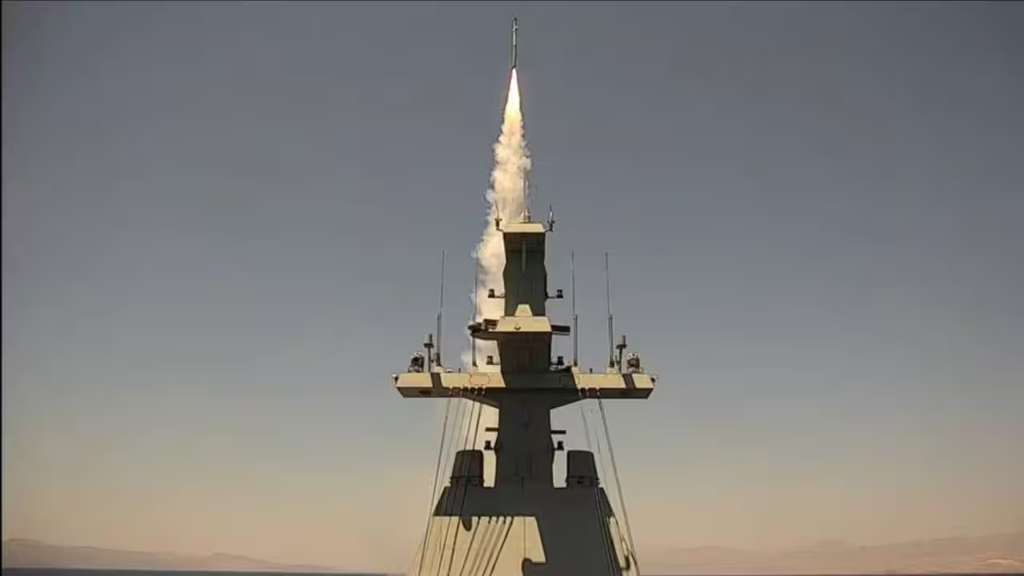
- Germany: The Arrow 3 purchase first signed in 2023 was expanded in December 2025 to a total of $6.5 billion, Israel’s largest export contract.
- Greece: Israel and Greece signed the roughly €3 billion ($3.5 billion) “Achilles Shield” air defense deal on Aug. 31. It follows a $750 million sale of PULS rocket artillery systems.
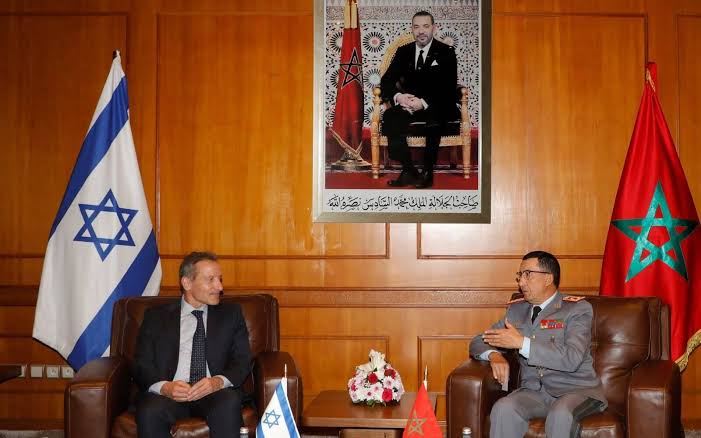
- Morocco: Rabat has become one of Israel’s most important customers outside Europe. Israel Aerospace Industries signed a $500 million deal for the Barak MX air defense system in 2022. The system became fully operational in early January 2026. IAI also signed a satellite agreement worth about $1 billion in 2024. In February 2025, Morocco finalized a deal for 36 Elbit ATMOS 2000 self-propelled artillery systems. Israel is now Morocco’s third-largest military supplier.
These sales came despite boycott calls and the exclusion of Israeli firms from some arms fairs.
Political alignment. Governments friendly to Israel are taking power and acting on that alignment in visible ways.
- Slovenia: Prime Minister Janez Janša’s new government scrapped the anti-Israel sanctions and arms embargo of its predecessor. Israel opened its first embassy in Slovenia in September. Janša’s government also vetoed a proposed EU statement critical of Israel. The previous government had recognized Palestine, imposed what amounted to an arms embargo and banned Netanyahu from entering the country.
- Colombia: After taking office on Aug. 7, President Abelardo de la Espriella reversed his predecessor’s break with Israel. Colombia opened its Jerusalem embassy on Oct. 14, becoming the 10th government to do so.
- Argentina: President Javier Milei told the Knesset in June 2025 that Argentina would move its embassy to Jerusalem in 2026.
- Paraguay: President Santiago Peña reopened Paraguay’s Jerusalem embassy in 2024, the first country to do so after the Oct. 7 attack.
- Republika Srpska: The Bosnian Serb entity has built some of Israel’s warmest ties in the Balkans. Netanyahu received Republika Srpska President Ana Trišić-Babić and Milorad Dodik in Jerusalem on Jan. 28. Israeli officials opened a chamber of commerce office in Banja Luka on Sept. 3, with Dodik attending. Dodik met Netanyahu again on Sept. 17 and left with a pledge of a cooperation framework.
- Brazil: Israel’s open backing of Jair Bolsonaro’s son Flávio shows how far these efforts go. Netanyahu sent a recorded message to his campaign launch in July. The bid fell short. Lula won the Oct. 25 runoff with about 51.7% of the vote.
Washington’s role. The United States, by contrast, has largely stayed on the sidelines while Israel set the pace, intervening decisively only in select cases. One example is its support for Israeli missile defense, but future Arrow 3 exports require U.S. approval. That makes Washington more of a gatekeeper than a driver of these deals.