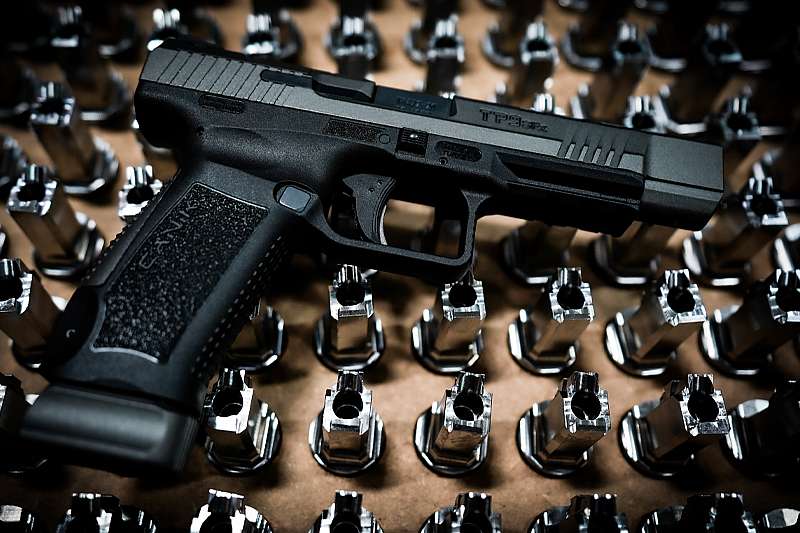

In the sprawling industrial zones of Samsun, Turkey, the hum of machinery at Samsun Yurt Savunma (SYS) echoes a quiet revolution in the global arms trade. Since 2021, Turkey has emerged as the United States’ leading supplier of firearms, with SYS’s Canik brand at the forefront, according to a recent Foreign Policy article. The Canik 9mm pistol, priced under $400, has become a sensation in the U.S., its lightweight frame and easy-to-use trigger appealing to first-time buyers, including women and younger shooters. But beneath the success story lies a web of economic ambition, regulatory gaps, and unintended consequences.
The journey began in 2012 at the Las Vegas SHOT Show, where SYS executives struck a pivotal deal with Century International Arms, America’s largest surplus gun importer. Foreign Policy details how Century Arms shared insights into American preferences, sending SYS a wish list of features tailored for U.S. buyers. The result was a Canik pistol designed for accessibility—small hands, low cost, and high reliability. By 2025, Canik had become Century Arms’ top-selling brand, earning industry awards and a loyal following at gun shows across the U.S.
The timing was perfect. As Foreign Policy notes, the COVID-19 pandemic fueled a surge in U.S. gun purchases, driven by security fears and economic uncertainty. With American factories slowed by lockdowns, Turkish manufacturers like SYS filled the gap, offering quality at a fraction of the cost of European competitors. “Turkey occupies this niche all on their own,” Iain Harrison, editor of Recoil magazine, told Foreign Policy. The Canik’s affordability and performance rivaled high-end brands, making it a staple for both novice shooters and enthusiasts.
Yet, the story isn’t all about market triumphs. Foreign Policy highlights a darker side: Turkey’s lax reporting on small arms sales raises concerns. Unlike the U.S. and Germany, which track firearms to curb trafficking, Turkey has not ratified the U.N. Arms Trade Treaty. SYS and other Turkish firms have sold handguns to police and military in countries like Pakistan and Iraq, but Foreign Policy reports that Canik pistols have also surfaced in smuggled stockpiles in conflict zones like Libya and Burkina Faso, according to Interpol and U.N. data. This lack of oversight has sparked debates about the global impact of Turkey’s booming arms exports.
In a tragic example, Foreign Policy recounts a 2022 shooting in Tulsa, Oklahoma, where an 18-year-old used a borrowed Canik pistol to kill another teen. The incident underscored how easily accessible these affordable guns have become, even to those legally barred from owning them. As Turkish firearms flood the U.S. market, their spread raises questions about regulation and responsibility.
SYS, undeterred, continues to expand. Foreign Policy mentions their plans for a U.S. factory in Florida, aiming to produce 25,000 units monthly by 2023. This move could deepen Turkey’s grip on the American market, blending economic opportunity with geopolitical influence. For now, the Canik pistol remains a symbol of Turkey’s ascent in the global arms trade—a story of innovation, ambition, and the complex consequences of a world awash in affordable firepower.