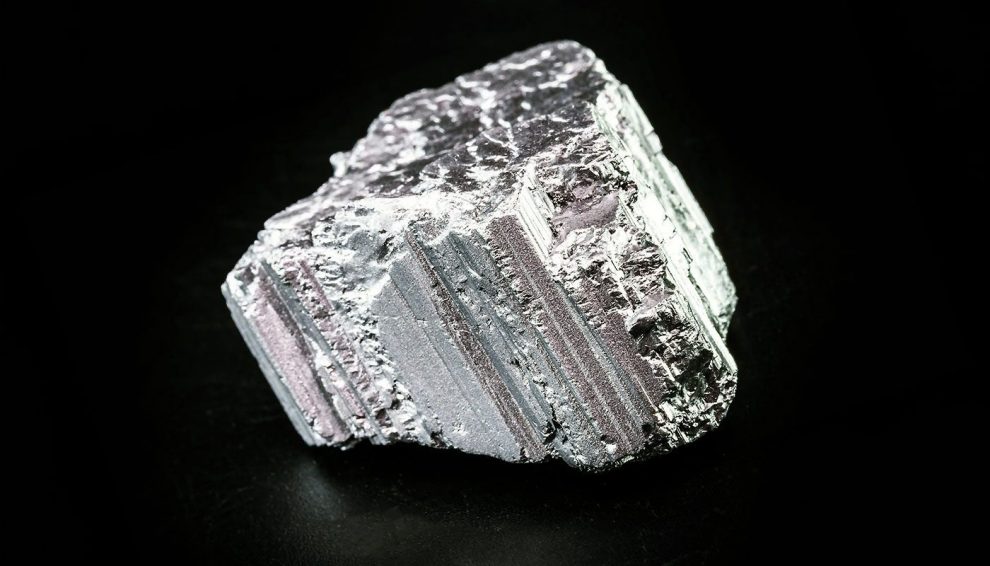

In the sun-baked hills of Eskişehir, where the ancient Phrygian ruins whisper of forgotten empires, a modern saga unfolds—one of promise and peril locked deep in the earth. It was here, in the Beylikova district, that Turkish geologists struck what they hailed as a geological jackpot in 2022: a sprawling deposit of rare earth elements (REEs) estimated at 694 million tons. President Recep Tayyip Erdoğan proclaimed it the world’s second-largest reserve, trailing only China’s colossal 800 million-ton hoard. These elusive metals—lanthanum for sleek batteries, cerium for turbine blades, neodymium for the magnets powering electric vehicles and wind turbines—hold the key to the green revolution. For a nation like Turkey, straddling Europe and Asia, this could be the alchemist’s stone, transforming dusty farmlands into a linchpin of global tech supply chains. Yet, as the dust settled from the announcement, whispers of doubt echoed through international forums. Experts like British geologist Kathryn Goodenough cautioned that the figure likely bloated the raw ore, not the refined rare earth oxides crucial for industry—perhaps just 14 million tons of the usable stuff, a fraction of the hype. Still, in Ankara’s halls of power, visions danced of economic sovereignty, with Eti Maden, the state mining giant, already plotting pilot plants to tease out 10,000 tons of oxides annually, alongside thorium for nuclear dreams and barite for oil rigs.
But treasure, as any miner knows, is only as good as the tools to unearth it. Turkey’s REE bounty lies ensnared in a toxic embrace: the ore is riddled with low concentrations, demanding voracious chemical baths of acids and solvents to separate the gems from the grit. Each ton of refined metal births a monster—up to 2,000 tons of hazardous sludge, laced with heavy metals and radioactivity, threatening to scar the soil and poison the Porsuk River that winds through Eskişehir’s valleys. Environmentalists rally in the streets, decrying the specter of biodiversity collapse: ancient oak groves felled, migratory birds routed, aquifers turned brackish. “This isn’t mining; it’s alchemy gone mad,” fumes a local ecologist, her voice rising over protests in Istanbul. Compounding the curse, Turkey lacks the industrial muscle—specialized refineries, skilled engineers, and billions in upfront capital—that China wields with iron-fisted monopoly, controlling 80% of global processing. Foreign suitors circle: Chinese firms dangle joint ventures laced with strings, while U.S. and EU envoys, eyeing diversification from Beijing’s grip, whisper of tech transfers under the Minerals Security Partnership.
As the world races toward net-zero horizons, Turkey stands at a crossroads, its subterranean vault a double-edged sword. By late 2025, the pilot facility hums faintly, processing a meager 1,200 tons of ore yearly, a drop against the 315,000 tons global demand will guzzle by decade’s end. Optimists like Mining Professor Ilgin Kursun Unver envision a renaissance: downstream factories churning magnets for Turkish EVs, jobs blooming in Anatolia’s heartland, and Ankara bargaining chip in hand amid EU-China tussles. Pessimists, however, foresee a ghost town of red tape and regret, the 694-million-ton mirage evaporating into environmental reckoning. In the quiet of Eskişehir’s evenings, as farmers eye the horizon where earth meets sky, one truth endures: extraction isn’t just about cracking rock—it’s about cracking the code of sustainable ambition. Will Turkey master its dragon, or let it slumber, a buried legend for the ages? The drills wait, silent sentinels, for an answer.