
We live in a difficult geography. Weak countries stumble even at the slightest threats, lose authority, and can turn into war zones where terrorist organizations or relatively stronger countries run rampant. While the people of those countries migrate elsewhere to survive, soldiers and/or militants from other nations take control. Such countries are called “failed states,” and nations like Syria, Lebanon, Palestine, Iraq, Afghanistan, and Sudan have been struggling under such conditions for years.
Relatively wealthier countries, like those in the Gulf, try to avoid the same fate by inviting Trump and pledging to invest at least 1 trillion dollars in the U.S. Whether such sums will ever return is uncertain, but they know better than anyone what wrath awaits if they fail to pay. Despite such helplessness, some act like strong nations and meddle in others’ affairs, but the play they put on cannot hide their weakness.
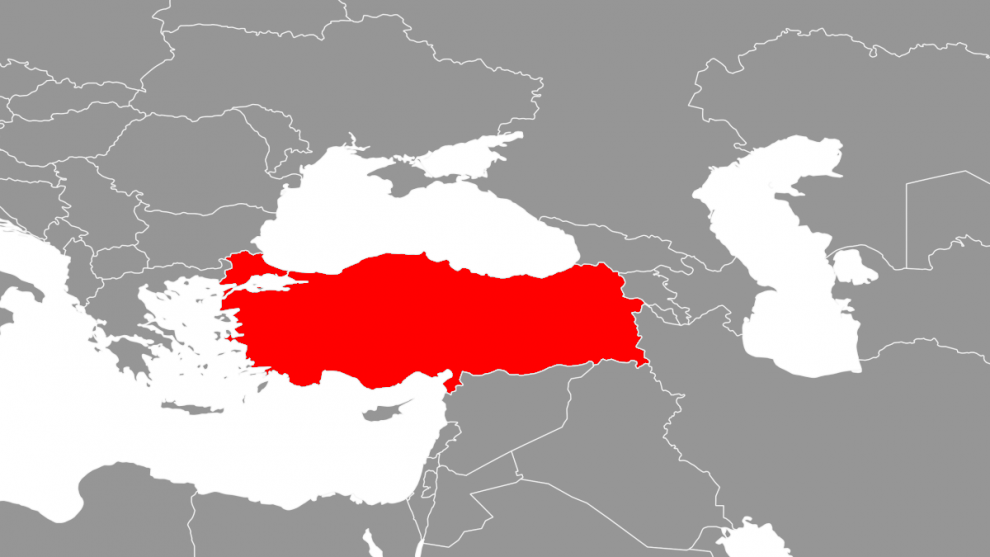
Turkey, being in the same region, faces similar threats. However, its performance in recent years deserves praise once again. Looking at what happened just in the past week makes the reason for this praise clear. First, Russian and Ukrainian delegations came to Istanbul to explore the grounds for peace. Then, European and Iranian officials met in Istanbul for nuclear talks. While Syrian leader Ahmed al-Shara met Trump in Saudi Arabia, President Erdoğan participated online. A Greek Cypriot newspaper even wrote that relations with Turkey should be improved.
In terms of defense industry, the Financial Times wrote that Europe relies on Turkey for its security. Spain, putting this view into action, signed an agreement with TUSAŞ for at least 24 Hürjet aircraft. Meanwhile, TEI shared the first image of the engine to be used in the KAAN fighter jet. One day, even KAAN may be sold to the Spanish—because trust has been earned in the defense sector.
In the past, mediation talks would take place in Geneva, and weapons were bought from the U.S., France, or Germany. Now they are purchased from Turkey, or Turkish firms are invited for joint production. Baykar will co-produce with Leonardo in Italy, while TUSAŞ will partner with Airbus in Spain. Not only will these firms sell products, but they will also benefit from the technologies of their partners.
Beyond how these developments strengthen Turkey’s position internationally, even its friends are benefiting from its power. For instance, Turkey’s ally Pakistan dealt India a memorable lesson. Turkish weapons may not have played a major role, but being on the winning side is a success in itself. Meanwhile, Syria’s leader Ahmed al-Shara, supported by Turkey, gained full legitimacy by meeting with Trump.
Domestically, the PKK announced it would lay down arms. Whether it will or not remains to be seen, but reaching this point is directly related to Turkey’s strength. Don’t pay attention to those who portray the end of terrorism as a defeat, and who try to link it—stretching the limits of reason—even to the Treaty of Lausanne. They are the same ones who brought terrorism upon us in the first place.
Turkey is becoming stronger. Inside, there are miserable people disguised as nationalists/Kemalists, and abroad, hostile countries doing everything to stop it. That old Turkey is gone. As the country’s muscles grow, it’s not only unlikely to collapse—it’s hard to imagine it even losing a struggle. If all this happened in just one week, then God willing, we’ll be in even better places as the Century of Turkey progresses. Those who want to break our confidence are the ones who don’t want to take this path—lazy, treacherous, and envious. Let’s block them out and enjoy the sound of our domestic jet engine.