
Turkey can construct an independent, culturally grounded Turan by leveraging its historical, spiritual, diplomatic, economic, and technological strengths.
Throughout history, the Turkic world has aspired to unity, but modern Turan discourse is often fragmented under external influences. Turkey, drawing on its historical and spiritual roots, has the unique potential to establish an independent, Islamically grounded Turan. By combining diplomatic coordination through the Turkic States Organization, cultural initiatives such as a Turan Cultural Atlas and philosophy institutes, and economic-technological projects like the Turkish-Islamic Investment Fund and the SATURAN Alliance, Turkey can create a sustainable, multi-layered regional model. This vision emphasizes ethical, strategic, and cultural independence, positioning Turkey as a proactive architect of the Turkic world’s future.
Turkey, drawing on its historical and spiritual roots, has the potential to construct an independent Turan vision through diplomatic, cultural, and economic initiatives.
Where History Meets Strategy
Throughout history, the Turkic world has been driven by a persistent vision of cultural and political unity, a vision that has transcended empires, borders, and centuries. From the steppes of Central Asia to the Anatolian heartlands, Turkic peoples have continuously sought cohesion, relying on shared language, traditions, and spiritual values to sustain their communities across vast territories. Today, however, Turan discourse is often fragmented, with regional narratives shaped and sometimes distorted by the strategic interests of external powers, including Russia, the United States, and other global actors. These influences have contributed to competing interpretations of what Turan represents, ranging from secular, Tengri-inspired notions to more Islamically oriented frameworks.
Turkey, situated at the crossroads of Europe and Asia and anchored in a rich historical and spiritual legacy, occupies a uniquely advantageous position to redefine and lead a cohesive Turan vision. As Sevil Hanım emphasizes, it is not sufficient to merely critique existing geopolitical arrangements; what is required is the construction of proactive, forward-looking political strategies that transform vision into actionable policy. By adopting such a stance, Turkey can shift from being a reactive participant in regional affairs to becoming the principal architect of a Turan framework that is both culturally authentic and strategically independent (Özdemir, 2020; Altınay, 2018).
Historical experience reinforces this potential. States and empires emerging from Central Asia and Anatolia, from the Seljuks to the Ottomans, successfully forged durable alliances by leveraging shared cultural and spiritual foundations, which in turn facilitated not only political stability but also economic and social cohesion across diverse populations (Golden, 1992). These historical lessons highlight that enduring regional unity is achievable when grounded in common identity, ethical principles, and a vision that aligns strategic interests with cultural continuity. For Turkey, the challenge—and opportunity—lies in translating this historical wisdom into a contemporary, independent Turan strategy that is capable of addressing both internal diversity and external pressures.
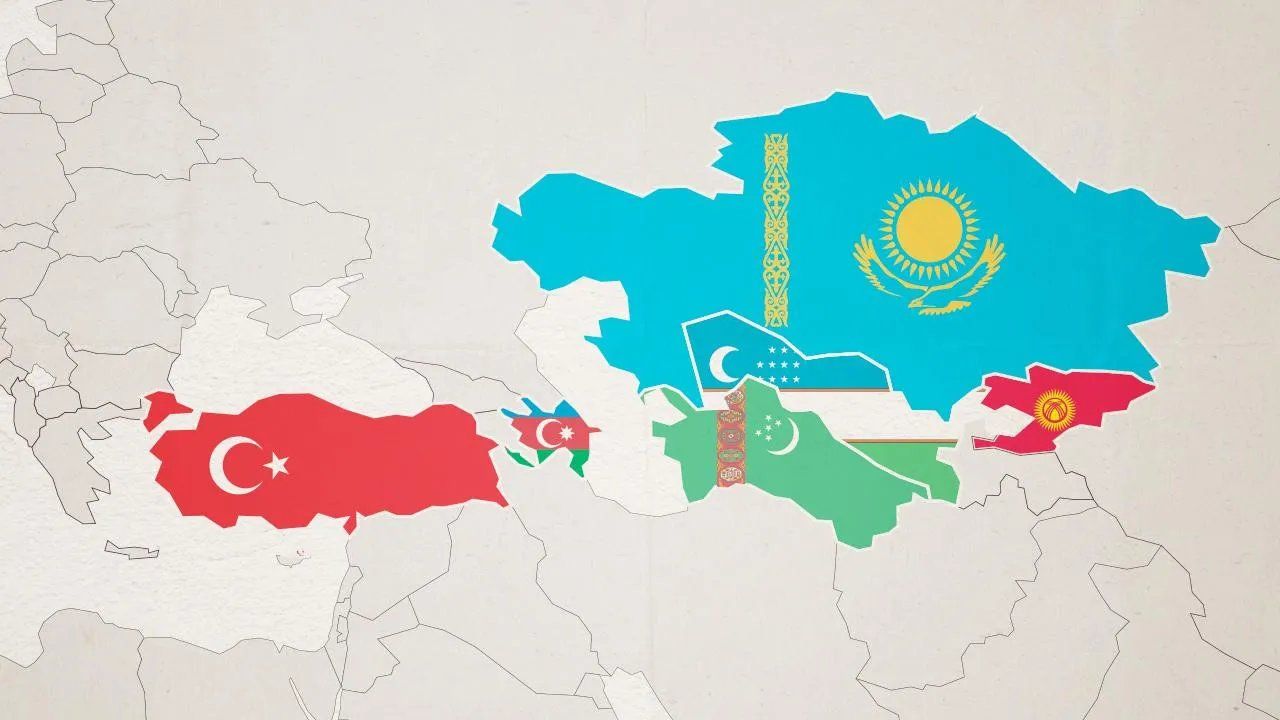
A Vision of Independent Turan
Current Turan narratives across Central Asia are heavily influenced by the strategic agendas of external powers such as the United States, Russia, and Israel, whose geopolitical maneuvers often shape both domestic and regional discourse (Kamp, 2019). This external influence has led to a fragmented understanding of Turan, with some Turkic states experimenting with secular or Tengri-inspired ideological movements that emphasize cultural heritage over religious affiliation—what could be characterized as “non-Islamic Turan.” While these approaches reflect legitimate explorations of identity, they often lack cohesion and leave these nations vulnerable to external manipulation.
Turkey, on the other hand, has the historical depth, cultural continuity, and strategic position to develop an Islamically grounded, independent Turan vision that remains connected to the spiritual and civilizational roots of the Turkic world. This vision is not merely a geographic or political blueprint; it encompasses a holistic approach that integrates shared language, cultural practices, historical memory, and ethical frameworks. It emphasizes collaboration rather than competition, unity rather than fragmentation, and seeks to build a Turan that is resilient to external pressures while fostering mutual respect among Turkic nations.
Moreover, the success of such a vision depends on the ability to align strategic values with cultural and historical continuity. For Turkey, this means leveraging its role as a bridge between East and West, its diplomatic influence, and its deep-rooted Islamic heritage to offer a model of Turan that is sustainable, autonomous, and morally grounded. By grounding Turan in shared culture and strategic principles rather than merely in territory or political expediency, Turkey can create a blueprint for regional unity that inspires cohesion, safeguards identity, and provides a framework for long-term stability and cooperation (Kafesoğlu, 2004).
A Common Turkic-Islamic Framework
The core objective of this renewed Turan vision is to establish a Turkic-Islamic partnership that is founded on mutual trust, shared values, and strategic autonomy from external pressures. In practical terms, this means shifting the debate from the divisive question of “whose Turan?” to the constructive inquiry of “how can we collectively build Turan?”—a question that prioritizes collaboration, resilience, and shared purpose over rivalry or territorial claims. By focusing on the process rather than ownership, the vision encourages a forward-looking, integrative approach that strengthens regional cohesion.
Historical experience underscores the importance of such an approach. Both Seljuk and Ottoman states offer instructive examples of how diverse ethnic, linguistic, and religious communities can be unified under a common political and cultural framework. The Seljuks employed flexible administrative structures and strategic alliances to consolidate their rule across Anatolia and Central Asia, while the Ottomans developed sophisticated diplomatic networks and institutional frameworks to maintain cohesion among multi-ethnic populations (Imber, 2002). These examples illustrate that enduring regional unity is achievable when governance is rooted in shared cultural, spiritual, and ethical principles rather than coercion or homogenization.
For Turkey today, this historical precedent provides both inspiration and guidance. Building a Turkic-Islamic framework requires not only diplomatic skill but also a deep understanding of the cultural and spiritual bonds that connect Turkic peoples across the region. By fostering institutions, networks, and policies that emphasize shared heritage, ethical governance, and strategic coordination, Turkey can create a Turan model that is both independent and inclusive. This framework has the potential to enhance regional stability, facilitate economic and cultural collaboration, and project a coherent, morally grounded leadership role for Turkey within the Turkic world.
Diplomatic and Cultural Foundations
Diplomacy constitutes a cornerstone in the construction of an independent Turan, as political cohesion and regional stability depend on coordinated and proactive engagement. One of the most effective mechanisms to achieve this is the establishment of a Council for Independent Foreign Policy within the Turkic States Organization. Such a council would centralize Turkey’s diplomatic initiatives, enabling coherent policy formulation across multiple domains, from conflict resolution to economic partnerships, and ensuring that regional decisions reflect a shared Turkic-Islamic vision rather than being dictated by external powers (Türkmen, 2021).
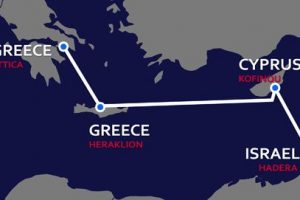
Critical geopolitical issues—including Palestine, Cyprus, and Jerusalem—demand unified diplomatic strategies. By establishing dedicated desks for Turkish-African and Turkish-Middle Eastern relations, Turkey can foster sustained, multi-layered engagement that enhances regional autonomy and reduces dependency on external actors. These structures would not only consolidate political influence but also serve as channels for dialogue, conflict mediation, and joint strategic initiatives, thereby reinforcing Turkey’s central role in the Turkic world.
Equally important is the cultural dimension of Turan-building. A Turan Cultural Atlas should be developed to document, celebrate, and transmit the shared heritage, traditions, and historical achievements of Turkic peoples. Through films, television series, digital media, and educational programs, younger generations can develop a strong sense of identity and belonging. Moreover, to provide intellectual and philosophical guidance, a Turkic-Islamic Philosophy Institute should be established, offering research, curricula, and publications that counterbalance secular or Tengri-inspired tendencies while grounding the Turan vision in shared spiritual and ethical values (Doğan, 2017; Kafadar, 1995).
By intertwining diplomacy and culture, Turkey can create a holistic foundation for Turan, ensuring that political coordination, regional engagement, and cultural identity mutually reinforce each other. This integrated approach strengthens both internal cohesion among Turkic nations and Turkey’s credibility as a visionary leader capable of shaping a sustainable, independent regional model.
Strengthening Economy and Technology
Economic and technological infrastructure forms a critical pillar for the viability of an independent Turan model, complementing diplomatic and cultural initiatives. A robust regional economy, underpinned by shared financial frameworks and innovative technological collaborations, ensures that Turan is not merely a conceptual or cultural project, but a sustainable and resilient geopolitical reality. In this context, the establishment of a Turkic-Islamic Investment Fund, grounded in participatory finance principles, would provide a mechanism for pooling resources, encouraging intra-regional investment, and promoting equitable economic development across member states. Such a fund could support infrastructure, education, and industrial projects that reinforce both economic self-sufficiency and interdependence within the Turkic world.
Alongside financial initiatives, the creation of a “Turkish Corridor” logistics network would strengthen regional trade, facilitate the flow of goods and services, and enhance connectivity between Central Asia, the Middle East, and Europe. This corridor would not only optimize supply chains but also symbolize the tangible integration of Turkic economies, reinforcing economic sovereignty and reducing reliance on external transit routes and global powers.
Equally vital is the technological and defense dimension of Turan. The SATURAN Alliance, dedicated to peaceful defense technology, joint research, and innovation, would provide a platform for member states to develop strategic capabilities autonomously. By focusing on non-aggressive, technologically advanced solutions, SATURAN would safeguard security while fostering collaboration, knowledge sharing, and the development of cutting-edge industries across the region (Öniş, 2016).
Through the integration of economic, technological, and defense initiatives, Turkey can ensure that an independent Turan is not only culturally and diplomatically cohesive but also strategically resilient, economically self-reliant, and technologically empowered—laying the foundation for a long-term, sustainable regional model.
The Significance of a Turkey-Centered Model
The initiatives outlined across diplomacy, culture, economy, and technology collectively point toward the creation of a Turkey-centered, Islamically grounded, and independent Turan model. By prioritizing regional autonomy over externally influenced narratives, Turkey can position itself as the central architect of a cohesive Turkic world, ensuring that the Turan vision reflects shared historical, spiritual, and ethical values rather than the strategic interests of global powers.
Historical and contemporary analyses demonstrate that enduring alliances and regional stability are achievable only when member states exercise strategic and moral independence. Empires and states that relied excessively on external influence often faced fragmentation, while those that cultivated internal cohesion and principled leadership sustained long-term stability (Hale, 2008). For modern Turkey, this implies a proactive approach: leveraging its historical legitimacy, cultural continuity, and geopolitical position to guide the Turkic world toward collaborative decision-making, equitable resource-sharing, and mutual defense frameworks.
A Turkey-centered model also emphasizes the integration of multi-dimensional strategies. Diplomatic coordination ensures unified responses to regional challenges, cultural initiatives foster a shared identity and ethical coherence, economic and technological projects guarantee strategic self-reliance, and security collaborations like the SATURAN Alliance safeguard sovereignty. Together, these components form a holistic and resilient framework, capable of transcending fragmented or externally manipulated visions and establishing a sustainable, independent, and ethically grounded Turan.
In short, Turkey’s centrality is not merely geographic; it is a manifestation of its historical, spiritual, and strategic capacity to unify, guide, and stabilize the Turkic world. This model sets a precedent for how cultural heritage, ethical governance, and strategic foresight can converge to create a durable regional order.
Final Words
Turan is not merely a dream; it is a tangible vision that becomes achievable when deliberately and actively constructed. Turkey has the historical depth, cultural continuity, and strategic foresight to emerge as a founding actor, rather than a reactive participant, shaping the Turan framework with integrity rooted in history, spirituality, and long-term strategic planning. This endeavor is inherently multi-layered, extending far beyond the realm of politics to include cultural revitalization, economic cohesion, technological innovation, and ethical leadership.
By taking a proactive role, Turkey can ensure that Turan is not defined by external pressures or fragmented narratives but by a shared vision of collaboration, unity, and resilience. Cultural initiatives, such as a Turan Cultural Atlas and philosophy institutes, reinforce identity and intergenerational knowledge transfer. Economic projects and technological collaborations, including the Turkic-Islamic Investment Fund and the SATURAN Alliance, solidify strategic autonomy and regional self-reliance. Diplomacy, coordinated through dedicated councils and multi-regional desks, strengthens Turkey’s central role in regional governance.
Ultimately, this comprehensive, integrative approach transforms Turan from an abstract ideal into a practical, sustainable, and morally grounded reality. It positions Turkey not only as a leader but as a visionary architect capable of uniting the Turkic world around shared principles, creating a resilient and independent regional model that can endure across generations.
References
- Altınay, A. (2018). Turkish Geopolitical Thought. Ankara: Bilgi Yayınevi.
- Doğan, H. (2017). Cultural Unity in Central Asia. Istanbul: Kültür University Press.
- Golden, P. B. (1992). An Introduction to the History of the Turkic Peoples. Wiesbaden: Otto Harrassowitz.
- Hale, W. (2008). Turkish Foreign Policy since 1774. London: Routledge.
- Imber, C. (2002). The Ottoman Empire, 1300-1650. London: Routledge.
- Kafadar, C. (1995). Between Two Worlds: The Construction of the Ottoman State. Berkeley: University of California Press.
- Kafesoğlu, İ. (2004). Turkish History and Culture. Ankara: Turkish Historical Society Publications.
- Karabekir, K. (2015). Turkish Diplomacy and Modernization. Istanbul: İletişim Publishing.
- Kamp, J. (2019). “Central Asia’s Geopolitical Dynamics: Between Russia and the West.” Journal of Eurasian Studies, 10(2), 55–70.
- Öniş, Z. (2016). Turkey and the Middle East: Foreign Policy, Domestic Constraints, and Regional Dynamics. Basingstoke: Palgrave Macmillan.
- Türkmen, S. (2021). The Organization of Turkic States and Common Policy Initiatives. Ankara: Seçkin Publishing.