
Straturka Analysis
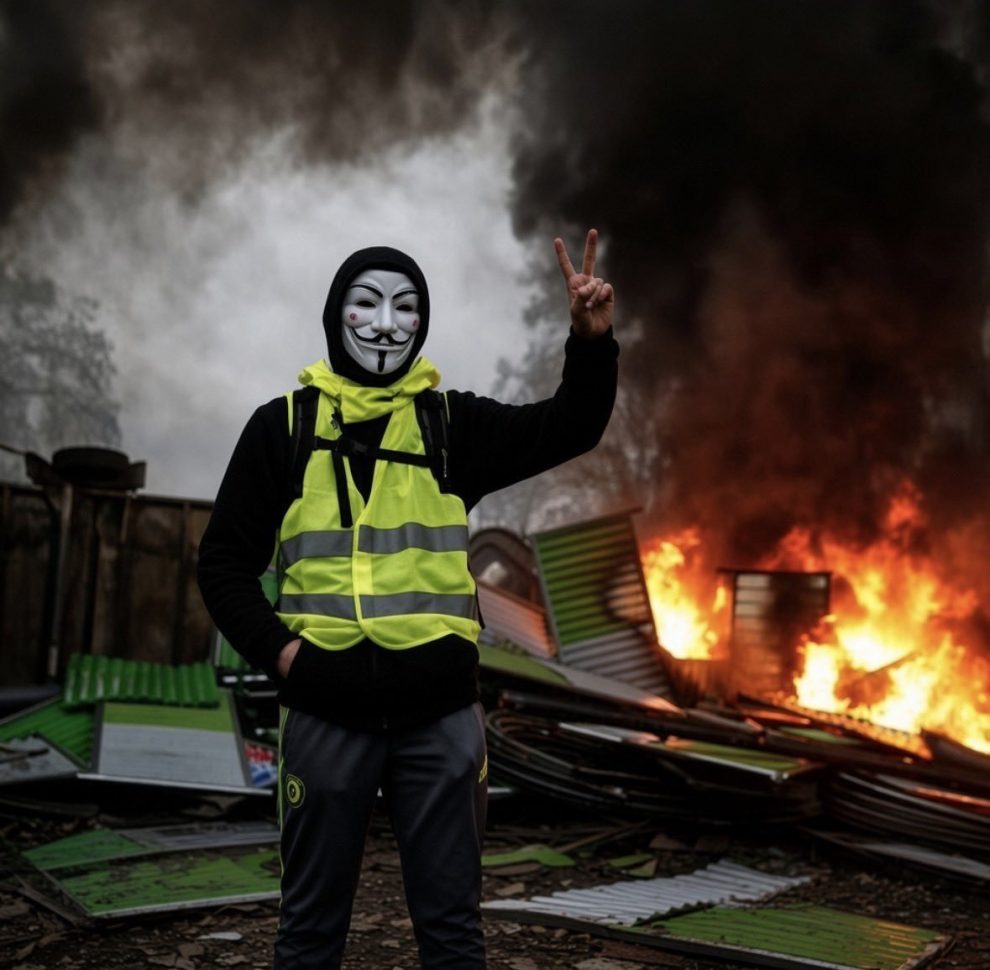
Look at the French student marches and the burning city hall in Limoges, then trace the bill back. It leads to the Gulf.On February 28, the United States and Israel launched a joint attack on Iran. Iran answered with missiles and drones. Then the Strait of Hormuz, the main channel for Persian Gulf oil, became the battlefield. By June, Iran’s military command had ordered the strait closed to all vessels after fresh US strikes. A June memorandum promised a ceasefire and a reopening, but it has had little practical effect, and there is no sign shipping will return to normal.Europe feels this at every petrol pump and every checkout. As early as March, Brussels was being warned that the escalation risked a “stagflation shock” for Europe. That is now arriving in the lives of young people who have never held a full-time job.
The chain is simple
Israel and the US start the war. Hormuz closes. Fuel, transport and food costs rise. Rents were already unaffordable, so a student with a part-time wage and a family budget under strain is squeezed from every side. Europe took no part in that decision. It receives the invoice.The protests began over school conditions and university fees. Fuel costs came later, and demonstrators have since joined the marches to voice anger over rising prices after the effective closure of Hormuz. That is how economic shocks work. They rarely announce themselves as their own cause. They land on weak points, and Europe’s education systems and housing markets had plenty of weak points.
Europe’s silence
This is where the story turns political. European governments have spent months managing the consequences of this war while avoiding its authorship. Ministers talk about “energy security” and “global instability.” The passive voice does a lot of work. Prices “have risen.” Supply “has been disrupted.” Nobody did it.Somebody did. A war of choice, launched by two governments, has been outsourced to the pockets of Lisbon students, Milan commuters and Paris pensioners. Israel’s leadership pushed for the confrontation and keeps it alive. Washington joined and escalated. Neither pays at a European fuel pump.
What the critics will say
Fairness requires the counterarguments. Iran chose to close the strait, and shipping did not stop on its own. Other pressures are real: Ukrainian strikes on Russian refineries have further strained fuel exports. And analysts like Alberto Alemanno stress that the protests are not one organised movement but a mix of grievances over underfunded education, living costs and youth job prospects. Most protesters are not carrying banners about Israel.All true, and none of it changes the starting point. Without the February attack there is no Hormuz crisis. Take away the war and the other pressures stay, but the shock that turned a manageable crisis into street fires does not.
What comes next
Alemanno warns the unrest could spread to Greece, Germany and Austria. Paris has promised 3,000 substitute teachers, which answers the school grievance and does nothing about the fuel one. Only an end to the war and a reopening of Hormuz does that. European leaders have shown little appetite for pressing the two governments that started it.Until they do, European students will keep marching against the symptoms. The cause sits in Tel Aviv and Washington.