
The United Arab Emirates is facing mounting accusations of backing Sudan’s Rapid Support Forces (RSF) in their violent takeover of Al-Fasher, the capital of North Darfur, with reports suggesting that the Gulf state financed and equipped mercenaries from Latin America to support the offensive.
According to regional security sources and UN-linked observers, the RSF assault on Al-Fasher involved foreign fighters allegedly recruited through private military networks operating from the UAE. Many are said to be former Colombian soldiers previously employed by Emirati security contractors.
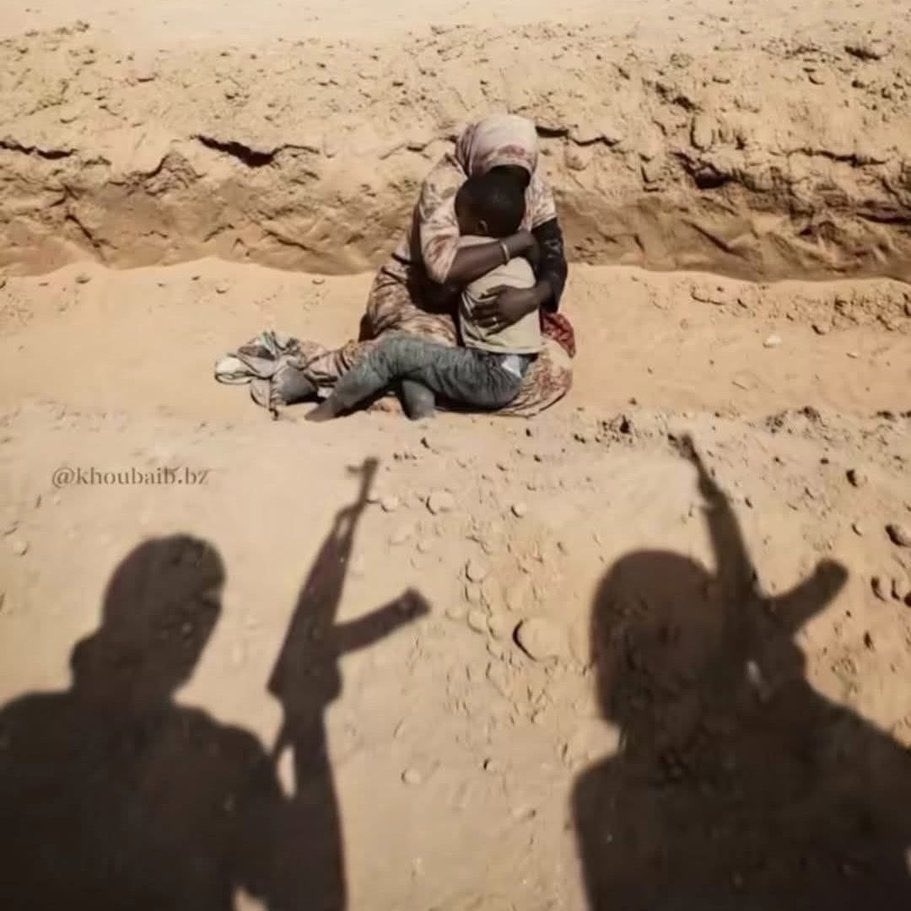
Witnesses report that after the city fell, RSF units began systematic attacks on civilians, echoing the massacres that marked earlier stages of Sudan’s war. Humanitarian groups warn of “mass killings and forced displacements on an unprecedented scale.”
Analysts say the UAE’s alleged motives go beyond political influence. “Gold is central to this conflict,” said a Sudanese researcher based in Nairobi. “RSF controls key gold mines in Darfur, and the UAE has long been one of the main destinations for Sudanese gold — much of it unregistered.”
This is not the first time Abu Dhabi has been accused of involvement in Sudan’s internal affairs. Reports by the United Nations and independent monitors have previously linked the UAE to arms transfers and financing networks that sustained RSF operations since the outbreak of the conflict in 2023.
Despite repeated international criticism, the Emirati government denies supplying weapons or funding to any Sudanese faction, insisting that its engagement has been limited to humanitarian aid and diplomatic mediation.
Meanwhile, thousands of Al-Fasher residents are believed to be trapped as fighting intensifies around the city, with food supplies dwindling and hospitals overwhelmed.