
The Kurdish movement should distance itself from Israel because such an alliance would increase regional hostility, weaken Kurdish legitimacy, and undermine long-term strategic stability.
Although the MEPS Forum highlighted Kurdish unity, calls for deeper Israeli support to the SDF risk pushing Kurds into the center of Middle Eastern conflicts. Open cooperation with Israel would provoke Iran, Türkiye, the Syrian regime, and Arab states, making Kurds appear as a proxy force and damaging their regional legitimacy. Kurdish political progress depends not on distant and inconsistent alliances but on pragmatic negotiations with neighboring actors, internal unity, and diplomatic neutrality. To secure their future, Kurds must maintain balanced relations rather than aligning with Israel.
1. The Necessity of Preserving Regional Balance
The deepening of direct strategic cooperation between the Kurds and Israel could generate long-term security risks with neighboring states such as Iran, Türkiye, and Syria. These states consistently view Israel as a hostile regional power, and any explicit Kurdish-Israeli alignment would increase the likelihood that Kurdish actors will be framed as proxies for an external adversary. Such an image would narrow the Kurds’ diplomatic room for maneuver and could jeopardize the delicate security architecture surrounding Rojava and the Kurdistan Region of Iraq.
2. Strengthening Local Legitimacy Through Paradiplomacy
The construction of Kurdish political legitimacy depends less on symbolic alliances with distant international actors and more on sustained engagement with regional powers and local societies. This requires the strategic use of paradiplomacy—foreign policy activity conducted by non-state actors—to foster multi-layered networks of cooperation that reinforce Kurdish credibility within the Middle East. Effective paradiplomacy can help Kurdish actors build internal legitimacy and mitigate accusations that their political aspirations are externally driven.
3. Recognizing Israel as a Limited and Intermittent Partner
Israel’s historical engagement with Kurdish movements has been inconsistent, often reflecting short-term intelligence, military, or geopolitical calculations rather than a stable, long-term strategic commitment. Because Israel’s involvement has fluctuated over time, Kurdish national strategy cannot rely on the expectation of continuous or unconditional support. Instead, Kurdish diplomacy should remain flexible, pragmatic, and cognizant of the shifting nature of Israeli foreign policy.
4. The Legitimacy Risks of an Explicit Israeli Alignment
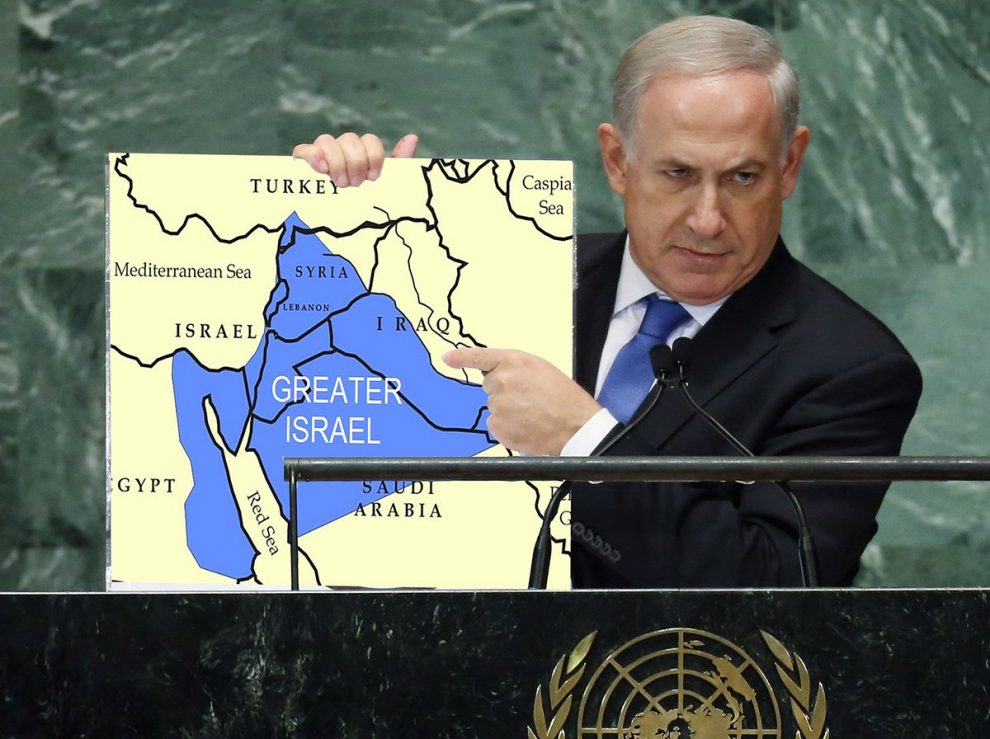
A visible alignment between the Kurds and Israel risks amplifying longstanding narratives across the Arab world claiming that the “Kurdish project is an Israeli project.” Such narratives frame Kurdish political movements as foreign tools designed to weaken Arab states. These discourses influence public opinion in Iraq, Syria, and beyond, making it more challenging for Kurdish actors to justify autonomy or federal arrangements. Increased association with Israel could therefore weaken Kurdish legitimacy, fuel opposition, and deepen diplomatic isolation.
5. Multi-Directional Diplomacy and the Policy of Strategic Neutrality
A Kurdish strategy focused on neutrality—rather than alignment with any single external actor—allows for multi-directional diplomacy that can stabilize Kurdish political gains. This requires maintaining balanced relations with Western actors, engaging regional stakeholders, and avoiding unnecessary provocations with neighboring states. A neutral diplomatic framework also increases Kurdish flexibility in negotiations with Baghdad, Damascus, and Ankara, while preserving space for Western partnership.
6. Critiquing the “Natural Alliance” Narrative
The notion that Kurds and Jews are “natural allies” is rooted more in emotional and historical symbolism than in geopolitical reality. Strategic alliances cannot be built upon shared experiences of marginalization alone; they must reflect long-term, sustainable interests. Israel’s security priorities are global and regional, while Kurdish security priorities are deeply local and directly influenced by neighboring states. Therefore, the argument for a natural alliance overlooks major structural differences and risks pushing Kurdish politics into a confrontational regional posture.
7. A Long-Term Strategic Roadmap for Kurdish Autonomy
The long-term interests of Kurdish political actors must be protected through strategies that integrate them into regional power dynamics rather than isolating them. This requires strengthening internal political unity, establishing sustainable relationships with neighboring governments, and minimizing dependency on distant or unpredictable external allies. A stable Kurdish roadmap must be based on regional accommodation, political realism, and institutional consolidation.