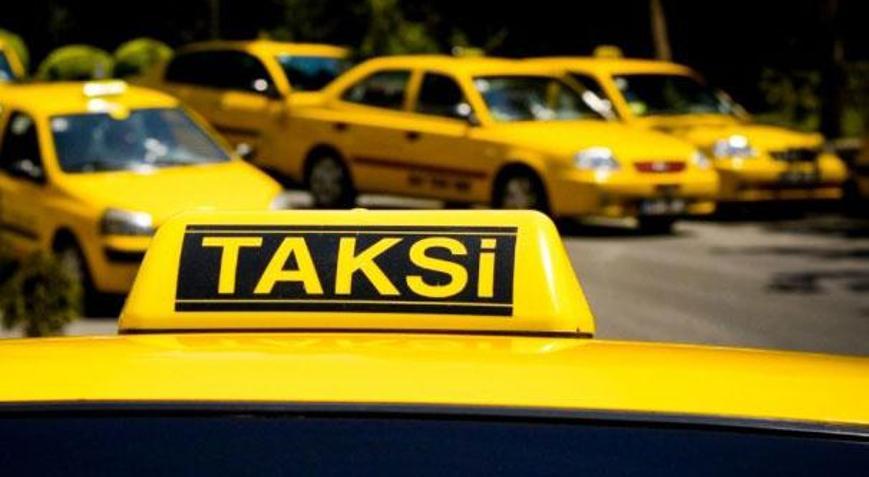

Overcharging complaints against Istanbul’s yellow taxi fleet have surged again this summer, with foreign visitors reporting inflated fares, refusal to run meters, and confrontations at the airport and in tourist districts. Istanbul’s municipal complaint line and police have processed a steady stream of cases, including a driver detained in June on fraud charges after billing a foreign passenger several times the standard fare for a ten-minute ride. The pattern has repeated through the summer tourism season, drawing renewed attention on social media and in domestic press coverage of the sector.
The complaints are not new. Istanbul has for years ranked among the cities most flagged by international travelers for taxi fraud, with recurring tactics including long detours, rigged or unstarted meters, refusal of card or transit-card payment, and a bait-and-switch fare hike after a ride is booked through an app. Fixed metered rates apply around the clock in Istanbul, with no legitimate “night tariff,” yet drivers continue to invoke one as a pretext for higher charges.
A market shielded from competition
Türkiye’s approach to ride-hailing has been shaped less by market forces than by political intervention on behalf of the taxi lobby. Uber’s entry into Istanbul drew an intense organizing campaign from the roughly 17,000-strong yellow taxi fleet beginning in the mid-2010s, culminating in President Recep Tayyip Erdoğan declaring the service “finished” in 2018 after new government rules sharply raised fines for unlicensed ride-hailing. Uber’s app and website went dark in Istanbul in late 2019 following a court case brought by taxi associations.
A 2020 court ruling reopened the door, but on terms that preserved the taxi fleet’s dominance rather than breaking it: Uber was permitted to resume operating in Istanbul only as a dispatch layer for the city’s existing licensed yellow and turquoise taxis, not as a platform connecting riders with independent private drivers. The result is a ride-hailing app in name that still relies on the same fleet, the same drivers, and often the same complaints as hailing a cab on the street.
The case for a state-run alternative
The core of the problem, in this view, is structural rather than incidental: a fixed-supply taxi fleet with no meaningful competitive check on service quality has little incentive to change behavior, regardless of how fines are adjusted or complaint lines are staffed. Periodic arrests and administrative penalties address individual cases without altering the underlying market structure that produces them.
One policy option gaining informal discussion is for the government or municipality to open a public tender for a domestically developed ride-hailing platform, with the state acting as regulator and selector rather than operator. Under this model, Ankara or the municipality would set the terms of the license, competing private bidders would submit proposals, and a single operator would be awarded the concession to build and run the platform, similar in structure to how the state tenders infrastructure, transport, or telecom concessions elsewhere. The resulting platform would compete directly with the existing taxi fleet on price transparency and driver vetting rather than merely dispatching it, as the current Uber arrangement does. Precedents exist elsewhere in the region and beyond for state-licensed ride-hailing concessions designed explicitly to discipline entrenched taxi cartels. Advocates of the approach argue it would let Ankara address the tourism and reputational costs of the current system while sidestepping the political sensitivity of simply reinstating an unrestricted foreign platform like Uber, and without the state itself taking on operational or financial risk.
Headwinds
Any such move would face the same organized resistance that shaped the original Uber dispute. Yellow taxi drivers and their associations have demonstrated sustained lobbying capacity and, in earlier confrontations with Uber drivers, a willingness to escalate beyond legal and political channels. A state-backed competitor would also need to solve the same supply and licensing constraints that have limited ride-hailing’s reach in Türkiye to begin with, since drivers still require special transport documentation and qualification credentials that have kept independent driver supply low.
Whether Ankara opts to pursue this route remains an open question. But with tourist complaints becoming a recurring seasonal story and a reputational liability for a government that has placed tourism revenue at the center of its economic strategy, the pressure to find a structural fix, rather than another round of fines and arrests, is likely to persist.