
The 2026 FIFA World Cup has not yet kicked off, and the United States has already managed to transform the planet’s most-watched sporting event into an extension of its foreign policy — one visa denial, one border interrogation, and one humiliating deportation at a time.
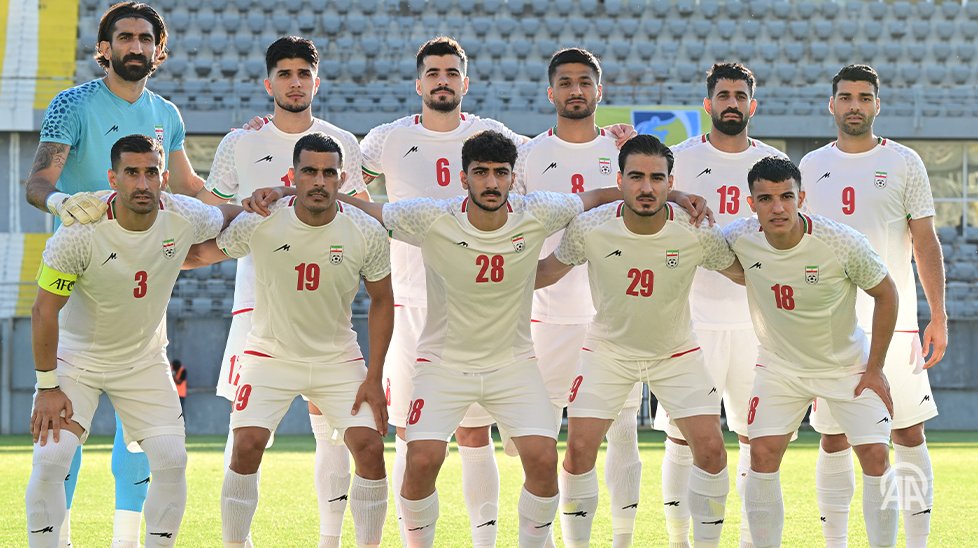
Iran’s Football Federation accused Washington of “vindictive behavior” after visas were refused for key managerial and administrative members of its World Cup delegation, including the federation’s secretary-general and vice president. Fourteen backroom staff and officials were left without U.S. visas as the tournament approached. The federation said the decisions had effectively denied the Iranian national team the opportunity for a level playing field and a competition free from discrimination.
The indignity did not end there. Iran’s ambassador to Mexico, Abolfazl Pasandideh, confirmed that the visa terms imposed on the team require players and staff to enter and leave U.S. territory on the same day as their fixtures. The directive means the squad will only be permitted to cross the border on the morning of their games and must depart immediately after the final whistle, creating a logistical nightmare for the coaching staff. Iran has three group-stage matches scheduled on American soil.
Iraq fared no better. Iraq’s World Cup striker Aymen Hussein was held and questioned for nearly seven hours at Chicago’s O’Hare Airport after arriving with the squad. The team’s official photographer, Talal Salah, was detained for more than ten hours, had his phone and electronic devices checked, and was ultimately denied entry into the United States entirely. U.S. Customs and Border Protection described the inspections as routine, stating that the photographer was denied entry due to “vetting concerns,” while offering no further details. For the photographer, the World Cup was over before it began.
Scottish supporters — citizens of a NATO ally traveling under the Visa Waiver Program — found themselves caught in the same net. Dozens of fans who had received approved Electronic System for Travel Authorization status say their applications changed from “approved” to “travel not authorized” just days before the tournament, with some seeing their ESTAs revoked on June 3 after having been approved since December.
The press corps has not been spared either. The Committee to Protect Journalists warned that non-citizen journalists covering the World Cup in the U.S. may be targeted by immigration authorities, noting that international journalists have already been denied entry at the border, had visas revoked, and in some cases been arrested, detained, and deported. Multiple Iranian and African journalists have seen their press credentials rendered worthless by visa refusals.
FIFA, which holds contractual obligations ensuring all qualified nations can participate without political interference, has been formally notified and faces mounting pressure to respond. The organization has stayed largely silent.
The United States co-hosts a tournament it built its soft-power ambitions around. What it has delivered in the opening days is a global demonstration that its borders are instruments of political pressure — and that no passport, no press badge, and no World Cup accreditation is immune from that pressure. For a country that spent months marketing this tournament as a celebration of the beautiful game, the message being sent at its airports and consulates is anything but beautiful.