
Ottoman POWs Ran a School for 120+ Children on a Caspian Island Camp, Study Finds
Ottoman prisoners of war held on Nargin Island in the Caspian Sea opened a school for more than 120 captive children in 1917, according to a study published 13 October in the Journal of Balkan and Near Eastern Studies.
Resul Köse of the University of Health Sciences and Sadık Çetin of Gaziantep University drew on Ottoman and Turkish General Staff archives, Baku periodicals, and Russian and Swedish sources. They conclude the school’s aim was to educate the children, preserve their culture, and help them hold on to life.
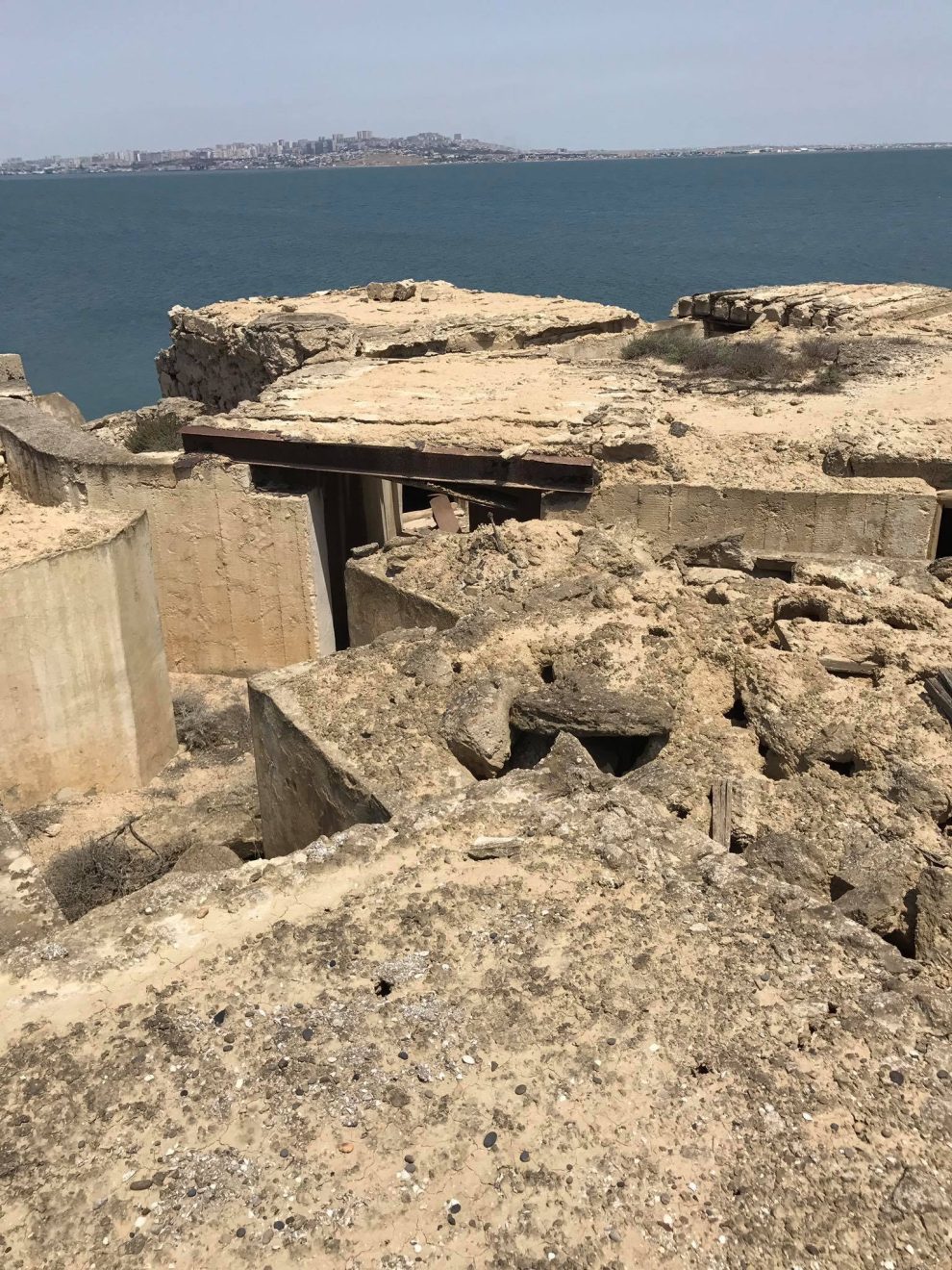
The camp. Nargin, today’s Büyük Zire, covers 3.5 square kilometres and has no fresh water or vegetation. A December 1917 report to the Swedish Embassy by Dr. Gregory Alexandrof, cited in the study, put the population at 5,000 prisoners, 3,000 of them Turkish. It recorded about 40 deaths a day and mass burials without ceremony. A Swedish Red Cross report from October 1917 counted 4,000 Turkish soldiers on the island, 2,500 of them civilians.
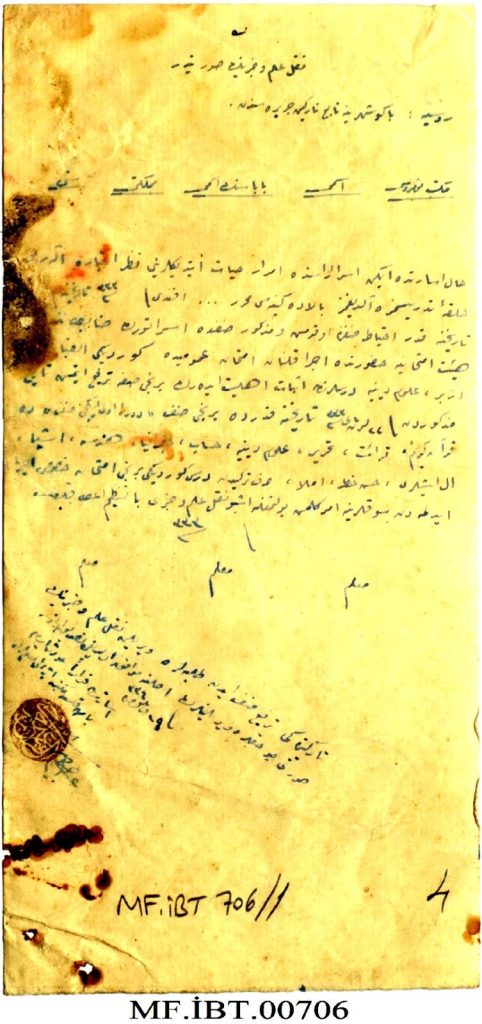
The school. Three captive teachers, Abdurrahim Rahmi, Mustafa Hamdi and Hafız Feyzullah, gathered the children and won permission from the Russian command. Classes began on 6 May 1917 with 25 pupils. The school later became a boarding school, with support from Baku’s Muslim charities and donations from German officers held on the island.
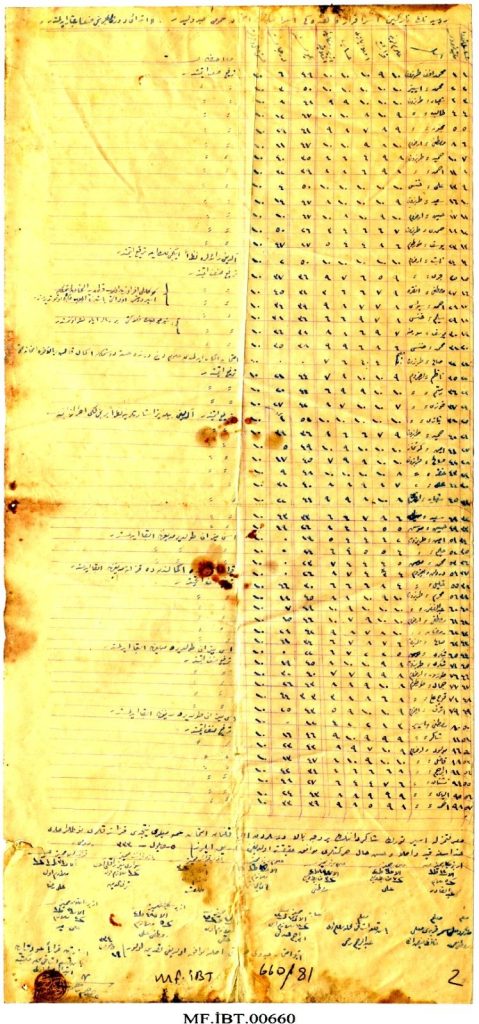
The records. The school kept examination tables and accounts through to its closure on 22 November 1917. The study counts 57 students on the exam list, 50 of whom passed (87%), with a class average of 7.5 out of 10. Income totalled 351 roubles against 337 roubles in spending. The children were moved to Baku in January 1918, and the prisoners were freed after the Caucasian Islamic Army took Baku in September 1918.
Caveats. The student count is disputed. The exam sheets suggest 98 pupils, while Rahmi claimed over 120. The authors say existing information on Nargin is scarce and often biased, and note that the Russians produced propaganda films showing prisoners in good conditions. Much of the account of conditions rests on Turkish military archives. The centrepiece child’s account, “Yusuf,” comes from a booklet written by Rahmi himself, who fled the island four days after the school closed.
Journal of Balkan and Near Eastern Studies, DOI: 10.1080/19448953.2026.2745182