
A series of recent pledges by political leaders to relocate their countries’ embassies to Jerusalem has highlighted growing support for Israel among conservative and right-leaning figures, particularly in Latin America and parts of Europe. At the same time, some defeated opponents have claimed these promises are linked to alleged Israeli interference in elections — accusations that remain unproven.
Countries That Have Moved Embassies to Jerusalem
Several nations have already completed the move in recent years, following the landmark example of the United States under President Donald Trump, who recognized Jerusalem as Israel’s capital in 2017 and opened the U.S. embassy there in 2018. As of late 2025–2026, roughly seven to eight countries maintain embassies in Jerusalem. These include the United States, Guatemala, Honduras, Kosovo, Papua New Guinea, Paraguay, and Fiji, with Argentina positioned to become the next. Paraguay moved its embassy briefly in 2018 before reversing and later signaling renewed plans.
Recent Pledges
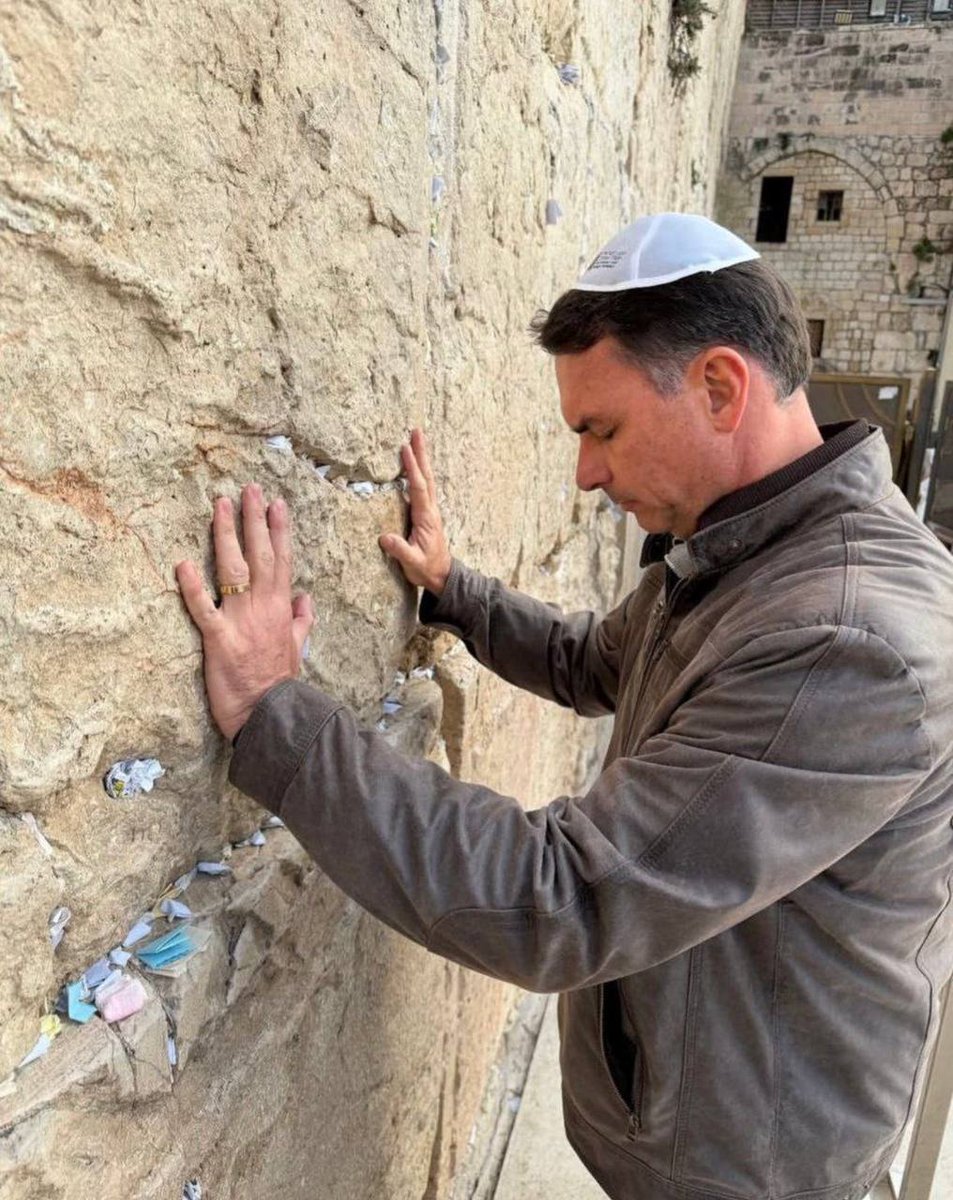
Flávio Bolsonaro, son of former Brazilian President Jair Bolsonaro and a candidate in the 2027 presidential race, vowed during a visit to Israel to move Brazil’s embassy from Tel Aviv to Jerusalem within the first six months of his term if elected. He positioned the move as part of a wider pro-Israel realignment.
Argentine President Javier Milei has repeatedly committed to the relocation, with plans targeted for 2026. He has reaffirmed this during visits to Israel and in speeches, including at the Knesset.
Slovenia’s new Prime Minister Janez Janša announced plans to move Slovenia’s embassy to Jerusalem, which would make it the first EU member state to do so. The pledge is part of a broader reset in relations, including revoking prior recognition of a Palestinian state. Israel welcomed the announcement and plans to open its own embassy in Ljubljana.
Colombia’s President-elect Abelardo de la Espriella, a right-wing leader, has made relocating Colombia’s embassy to Jerusalem a key campaign promise. He has vowed to restore diplomatic ties with Israel, which were severed under outgoing President Gustavo Petro.
Venezuela’s opposition leader Maria Corina Machado pledged in 2025 that a future government under her would move the embassy to Jerusalem as a show of support for Israel.
Allegations of Election Interference
Critics of these moves, particularly from the left, have alleged that such pledges come in return for Israeli interference in elections. In Colombia, outgoing President Gustavo Petro claimed Israel helped rig the recent presidential vote in favor of de la Espriella through digital manipulation of electoral systems. Petro, who had cut ties with Israel, made the accusations without presenting verified evidence; electoral authorities have largely dismissed them.
In Slovenia, during the lead-up to elections, outgoing Prime Minister Robert Golob and allies accused Israeli private intelligence firm Black Cube of involvement in operations benefiting Janša, including secretly recorded videos alleging corruption. Janša’s side denied any improper ties, and while investigations occurred, claims of direct state-level interference by Israel have not been substantiated.
Similar unproven narratives have circulated around other pro-Israel victories in Latin America. Supporters of the leaders argue that their wins reflect domestic priorities — such as security, economic policy, and appeal to evangelical Christian voters — rather than foreign orchestration. Israel has publicly celebrated the strengthened ties but has not directly addressed the interference allegations.
Historical Context
The trend builds on Trump’s 2017–2018 decision — a move that fulfilled a long-standing campaign promise. Several smaller nations followed suit in the years after, though some later reversed course.These latest pledges underscore deepening political divides. While they signal stronger bilateral relations with Israel for the countries involved, they continue to draw international criticism from those who argue Jerusalem’s final status should be determined through Israeli-Palestinian negotiations. Whether more nations will follow through on these promises in the coming years will likely depend on political stability and diplomatic pressures.