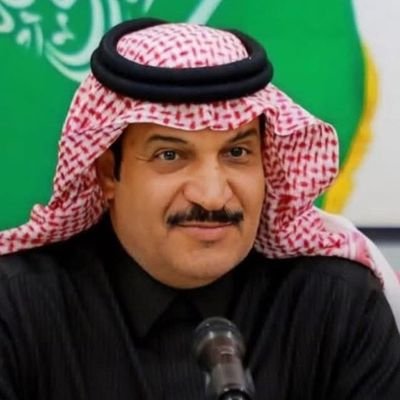

Abdulsalam Saleh
When the Threat of Normalization, Amid Ongoing War Crimes and Land Occupation, Becomes the Final Nail in the Coffin of the Idea of Normalization – A Strategic Analysis
When countries in the region put forward clear peace initiatives, normalization was presented as a natural outcome of ending the occupation and establishing a Palestinian state. Fifty-seven countries stated at the United Nations that they were prepared to guarantee Israel’s security in exchange for a just peace—meaning the door was ajar, and the key was a Palestinian state.
But what I see clearly in the current landscape is that this openness was met with a completely different language. While Netanyahu’s crimes in Gaza continue, along with settlement expansion in the West Bank and the expansion of his occupation in Syria and Lebanon, Washington comes along to demand that countries in the region normalize relations with him—and even threatens to punish those who refuse. The language of threats and coercion here is not merely diplomatic pressure; it is an attempt to impose normalization on those who continue to kill, occupy, and destroy, as if nothing had happened. I note here that this language has not brought normalization closer, but has pushed it further away. How can any sovereign state accept normalization under threat, while the party with whom these states are being asked to normalize relations continues to occupy Gaza, invade Lebanon, and expand in Syria?
What confirms this interpretation is the shift embodied by Turkish President Recep Tayyip Erdoğan yesterday, May 28, after Eid al-Adha prayers at the Çamlıca Mosque in Istanbul. I noted that he did not speak in diplomatic language or in the language of normalization conditions. Rather, he went beyond all that to describe Netanyahu as a tyrant—and more than a tyrant—adding: “I am certain that this oppressor named Netanyahu will receive the lesson he deserves before the Muslims of the world, God willing, and we hope to see that soon.” He added a warning: “Your silence or your pursuit of closer relations with this Israeli administration amounts to participation in and encouragement of the crime.”
Here lies the strategic turning point I see. Erdogan is no longer speaking only of the conditions for peace or the two-state solution; rather, he has moved into the realm of accountability and punishment. And this is precisely what I expect: that the language of threats does not produce normalization, but may produce deeper rejection. When you are asked to normalize relations with someone who occupies, kills, and destroys, rejection is no longer merely a political stance but a moral duty. And when this demand is accompanied by threats, the discussion shifts from “How do we normalize?” to “How do we hold accountable those with whom normalization is sought?” It is as if I see one file being closed and another being opened.
Therefore, when the issue of normalization is framed in the language of threats and demanded of a leader who continues his crimes and expands his occupation, it will undoubtedly lead to the definitive end of the idea. This is the new trend that began in Ankara, and it may not stop there. This is what I will be following closely.