
DUBAI / LONDON — Attacks on commercial shipping in the Strait of Hormuz during the 2026 Iran conflict have generated direct costs to vessels estimated in the low-to-mid tens of billions of dollars, according to industry assessments of damage, repairs, downtime, and elevated insurance premiums.
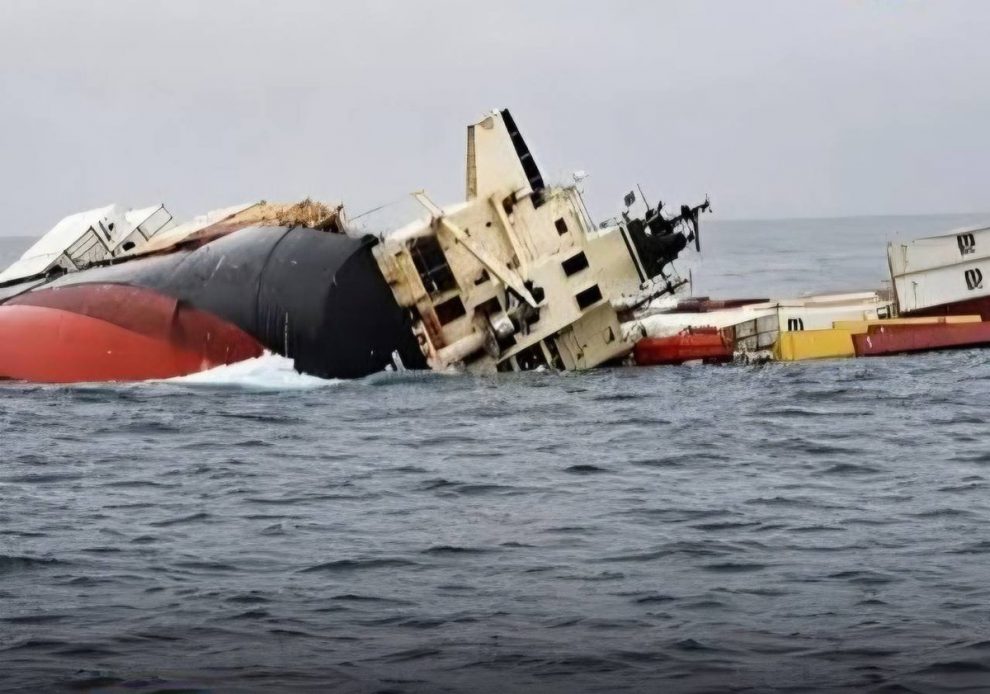
More than 50 commercial ships have been struck or damaged since late February, with at least two confirmed sunk — the UAE tug Mussafah 2 and the Indian dhow Haji Ali. Dozens of tankers, bulk carriers, and container ships sustained hull, engine-room, or bridge damage from projectiles, drones, and missiles.
Insurers and maritime analysts place physical repair and total-loss claims in the range of $1 billion to more than $3 billion. Specialist war-risk markets have already recorded claims potentially exceeding $2 billion across the broader Middle East conflict, with some individual large tankers valued at over $100 million facing multi-million-dollar repair bills or constructive total loss assessments.
The larger share of the ship-related bill stems from prolonged downtime. At the peak of the disruption, more than 1,000 vessels carrying cargo valued at approximately $125 billion were stranded inside the Persian Gulf for weeks or months. Lost charter earnings — with very large crude carrier rates briefly exceeding $400,000 per day — demurrage, and delayed cargo operations have added several billion dollars more in opportunity costs.
War-risk insurance premiums compounded the expense. Pre-crisis rates of roughly 0.1–0.25 percent of hull value climbed to peaks of 5–10 percent for Hormuz transits, translating into millions of dollars per large tanker voyage. Even after partial easing, premiums remained several times higher than normal, generating additional billions in costs for owners and charterers across hundreds of voyages.
Industry sources stress that these figures cover only direct vessel impacts — physical damage, repairs, idle time, and ship-specific insurance and freight surcharges — and exclude wider effects on oil prices, global GDP, or energy infrastructure. Final totals will depend on the settlement of ongoing insurance claims and the pace of full recovery in shipping traffic through the strait.
Maritime organizations including the International Maritime Organization have documented dozens of incidents and at least 17 seafarer fatalities linked to the attacks. Shipping executives say the episode has permanently raised risk premiums and prompted greater investment in alternative routes and contingency planning.