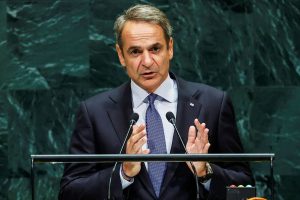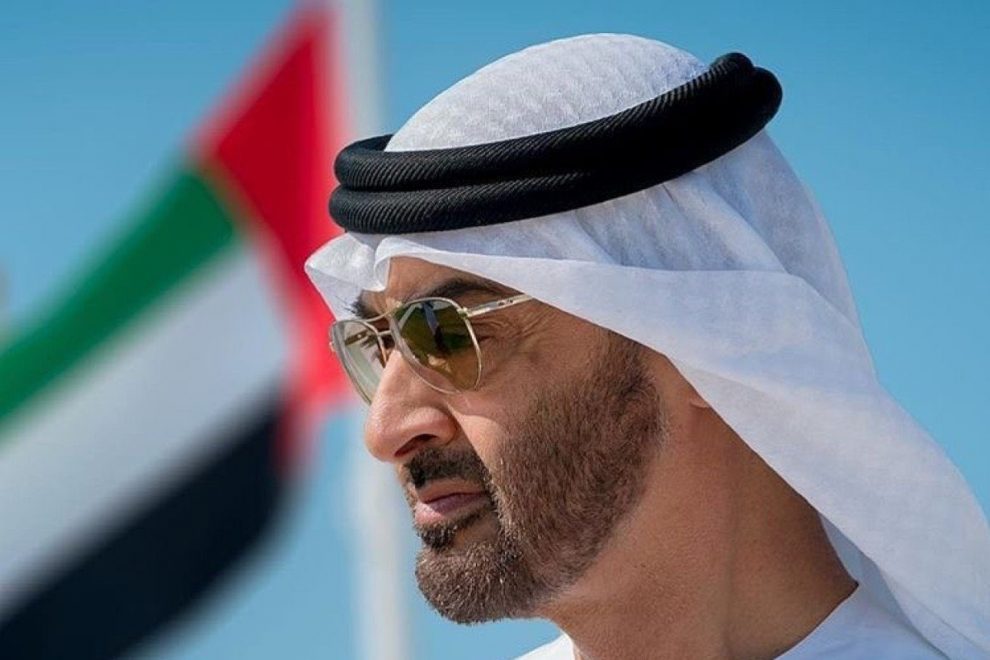

Abu Dhabi has spent the past two decades building one of the most sustained anti-Islamist campaigns in the region, pressing Western capitals from Washington to Paris to London to designate or restrict the Muslim Brotherhood. The effort is now producing results: Jordan banned the group in April after arresting members on plot allegations, France drew up new measures following a UAE-linked government report, and US lawmakers including Ted Cruz and Mario Diaz-Balart are reviving legislation to designate the Brotherhood federally. The campaign has also opened a second front in Britain, where Emirati officials and a network of young Emirati influencers have pushed the “Brotherhood threat” narrative into UK campuses, media, and right-wing political circles, including Reform UK figures such as Nigel Farage and Richard Tice.
The push has drawn a sharply divided response, one that maps onto two competing accounts of what the Brotherhood actually is and what the UAE actually does.
The Emirati case
Abu Dhabi’s hostility toward the Brotherhood dates to the 1990s, when the group’s local affiliate, Al Islah, began recruiting inside schools, universities, and government institutions, a development the UAE treated as an existential threat to its political model. The 2011 Arab Spring, when Brotherhood-linked movements won power in Egypt, Tunisia, and briefly elsewhere, hardened that view into a regional strategy. Emirati officials, led by President Mohammed bin Zayed, argue the Brotherhood functions as a slow-moving ideological network that exploits open societies to build influence gradually, a framing UAE-aligned researchers and lobbyists have carried into European capitals. Qatar’s financial and media backing of Brotherhood-linked groups, including through Al Jazeera, has reinforced Emirati concern that political Islam retains a well-funded international support structure. Proponents of the Emirati position, including some counter-extremism figures in Europe, argue that Western governments have been too slow to recognize a patient, long-term ideological challenge.
The Brotherhood’s defenders and the counter-case
Critics of the Emirati campaign, including researchers, human rights groups, and some European politicians, dispute the premise. They note that with limited exceptions, mainline Brotherhood movements have formally renounced violence and have competed in elections where permitted, including in Egypt, Jordan, and Tunisia, positioning themselves as participants in electoral politics rather than insurgents. One Middle East expert told the Times that the Brotherhood functions “more as an ideology than a structured organization,” undercutting the UAE’s portrayal of a unified, coordinated threat. Critics also point out the asymmetry at the heart of the campaign: the UAE, an absolute monarchy with no elections and a tightly controlled press, is positioning itself as the arbiter of which political currents are acceptable across democracies. Investigations by outlets including Middle East Eye and The New Arab allege the campaign has increasingly leaned on Islamophobic tropes and far-right political alliances in Britain and France to gain traction, with UAE-linked influencer networks and think tank funding accused of stoking anti-Muslim sentiment rather than addressing a specific security threat.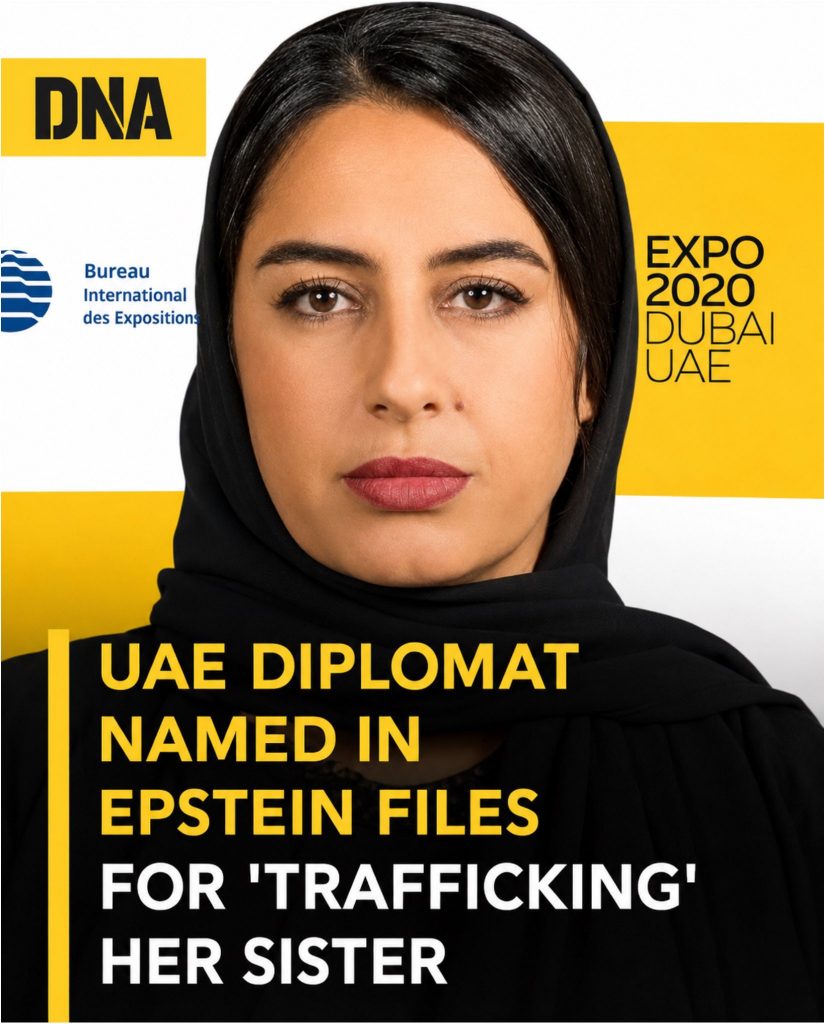

Contested fronts: Sudan, Libya, and Israel
The UAE’s own record complicates its framing as a stabilizing force against extremism. Sudan’s army, the International Court of Justice case filed by Khartoum, and multiple investigative reports, including from The Sentry, Le Monde, and Middle East Eye, allege the UAE has supplied weapons, fuel, and logistical support to Sudan’s Rapid Support Forces through Khalifa Haftar’s forces in eastern Libya, even as the RSF faces genocide accusations following the fall of El Fasher. The UAE has consistently denied any military or financial support to warring parties in Sudan, and the ICJ dismissed Khartoum’s case in May 2025. In Libya, the UAE has long backed Haftar’s Libyan National Army against the UN-recognized government in Tripoli. Separately, the UAE’s 2020 normalization with Israel under the Abraham Accords, and its continued diplomatic and economic ties to Israel through the Gaza war, have drawn criticism across the Muslim world, with opponents arguing the anti-Brotherhood campaign and the Israel alignment are two expressions of the same strategic bet: that political Islam, wherever it appears, is a bigger threat to Emirati interests than normalization with Israel is to Emirati standing among Muslim publics.
The bigger picture
Overall, UAE tries to spread its influence in the region through supporting friends (whether state or non-state) by arming or funding them and sees the Muslim Brotherhood the main obstacle before itself. On the other hand, independent from UAE-MB contention, UAE’s alliance with Israel, which has killed 100K Palestinians, and funding of Islamophobia shows that it is at a more broader war targeting the Muslim world. Analysts say that UAE is last to talk about peace and blame others for violence, morality, friendship, etc.